 USA
USA  Brazil
  Germany
  France
  Italy
Italy  Switzerland
  Sweden
  Spain
Spain  Great Britain
  Norway
  Russia
  South Africa
  Japan
Japan  New Zealand
  Australia
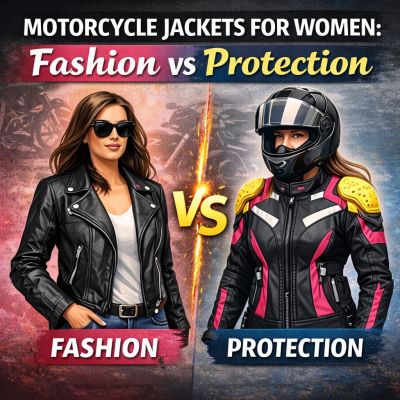
Many women buy their first Motorcycle jacket because it looks stylish. The sleek leather, bold zippers and biker look are appealing. After some time riding, the difference becomes clear: not every women's motorcycle jacket is designed for protection.
A jacket made purely for fashion may look right but lack armour and riding-specific construction. This guide explains how fashion leather jackets differ from protective motorcycle jackets for women.
Key Takeaways
- A fashion leather jacket usually has no impact protectors and is not built for sliding on asphalt.
- Impact protectors are tested to EN 1621, and complete garments are classed under EN 17092 (AAA, AA, A, B and C).
- Level 2 protectors are held to lower transmitted-force limits than Level 1 under EN 1621.
- A fitted cut keeps armour aligned with shoulders, elbows and back.
Table of Contents
Fashion Jackets vs Motorcycle Jackets
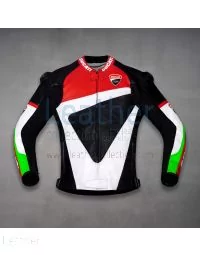
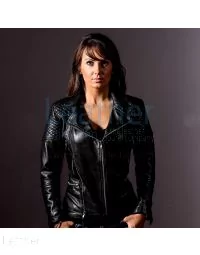
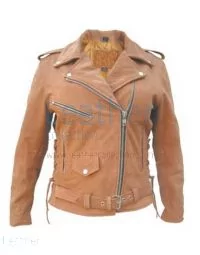
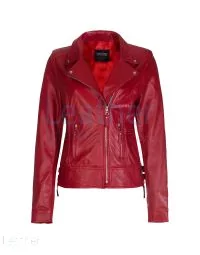
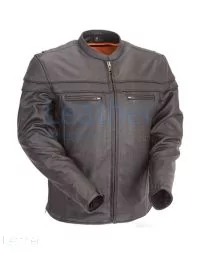
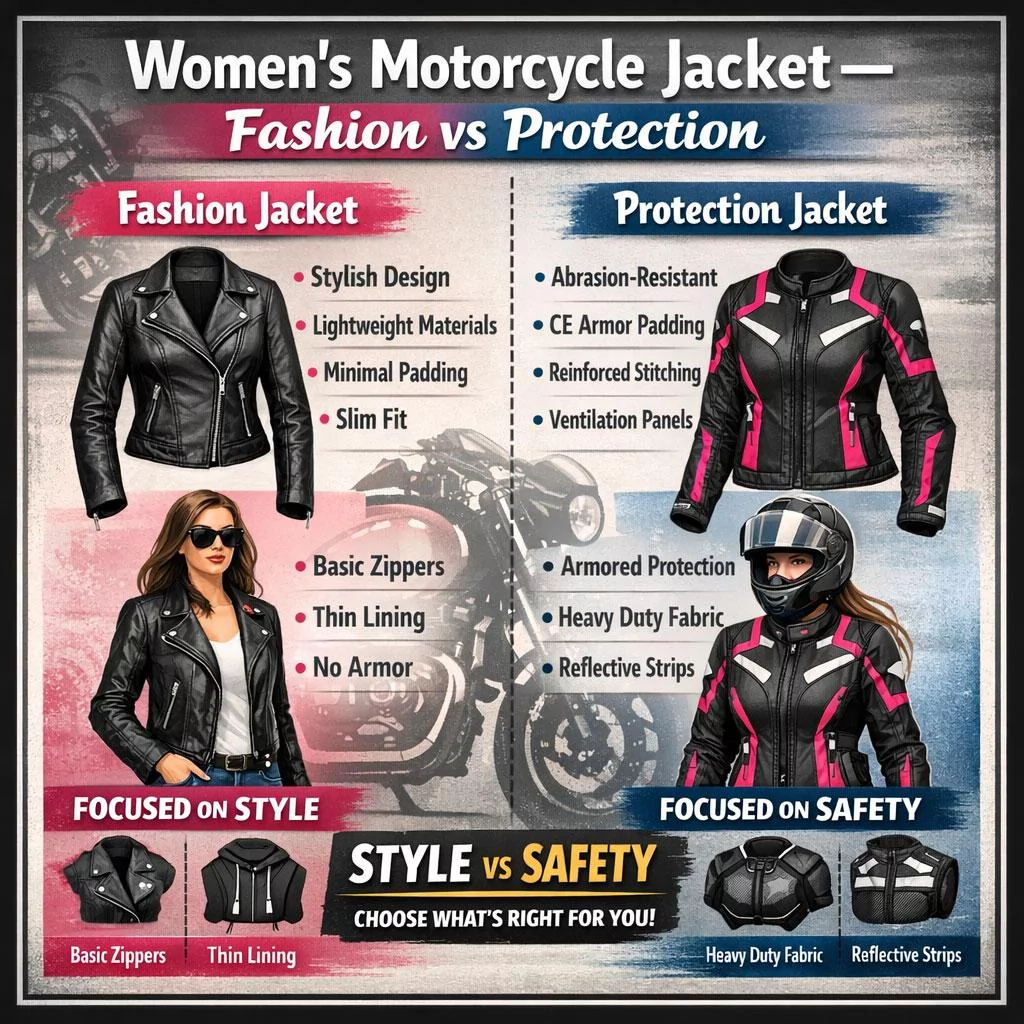
A fashion leather jacket focuses on appearance. A protective women's motorcycle jacket focuses on rider safety. Biker-style designs such as the show the look, so check the product details to see whether armour is included before treating any jacket as riding gear.
Fashion Leather Jackets
- Thin leather or synthetic materials
- Usually no armour
- Loose casual fit
- Designed mainly for everyday wear
Protective Motorcycle Jackets
- Leather chosen for abrasion resistance
- Impact protectors tested to EN 1621
- Reinforced seams
- Riding-focused fit
Why Protection Matters for Women Riders
In a crash the body often slides across asphalt. A protective jacket is designed to address three risks: abrasion from the slide, impact to bony areas, and exposure to weather.
Leather in Protective Women's Jackets
Leather resists abrasion better than most everyday fabrics, which is why it remains common in riding jackets. For garments sold as protective clothing, the relevant standard is EN 17092. It defines five classes: AAA, AA and A (abrasion protection with impact protectors), B (abrasion protection without impact protectors) and C (impact protectors only). A fashion jacket carries no such classification.
Armour and Impact Protection
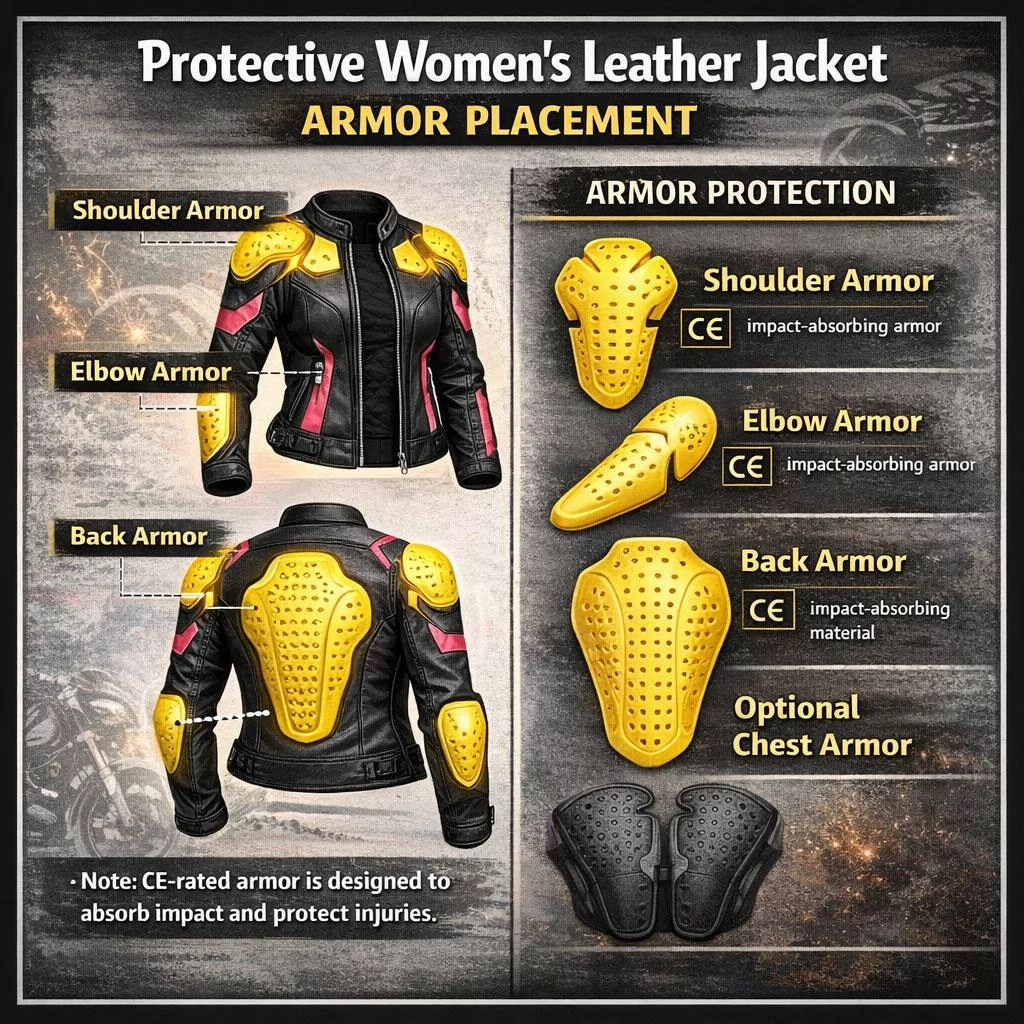
Armour addresses impact; leather and construction address abrasion. Riding jackets typically carry armour in the shoulders and elbows, with a pocket for a back protector. Under EN 17092, class AAA and AA garments must carry impact protectors at the body areas the garment covers.
The protectors themselves are tested to EN 1621. SATRA's overview of EN 1621 gives the Level 1 limits: for limb-joint protectors (EN 1621-1) the mean transmitted force must stay below 35 kN with no single value over 50 kN, and for back protectors (EN 1621-2) below 18 kN. Level 2 protectors are held to lower transmitted-force limits than Level 1. Check the listing names the protectors and their level.
Fit and Comfort for Women Riders
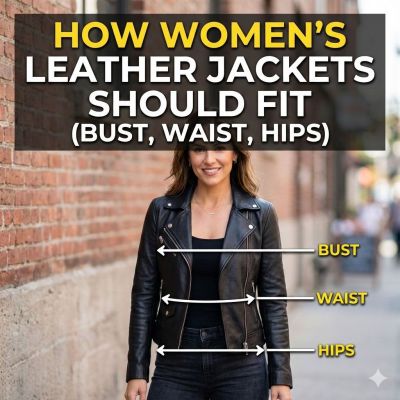
Women's riding jackets are cut with shaping at the bust, waist and hips. A fit that is snug but allows free movement keeps armour aligned with the shoulders, elbows and spine, so protectors stay where they are needed.
Key Safety Features to Look For
- Tested armour: protectors marked to EN 1621, ideally with the level stated.
- Reinforced stitching: strong seams that resist splitting in a slide.
- Quality zippers: a closure that stays shut under load.
- Ventilation panels: airflow for warm weather and long rides.
How to Choose the Right Jacket
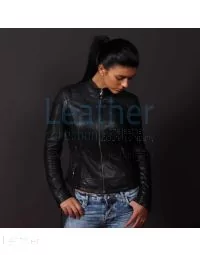
For daily riding, look for ventilation and a comfortable fit. For long distances, prioritize weather resistance and armour. Black styles such as the suit the classic look, but protection depends on armour and construction, not colour.
Conclusion: Fashion Should Not Replace Safety
Styles such as show the biker look, but style alone does not provide protection. A real women's motorcycle jacket combines strong leather, tested armour and a proper fit.
Frequently Asked Questions
Are fashion leather jackets safe for motorcycle riding?
Usually not. Fashion jackets typically lack armour, reinforced seams and a riding-specific cut, and they carry no EN 17092 classification. A protective jacket is built and tested for the abrasion and impact forces of a fall.
Do women's motorcycle jackets include armour?
Many do, with shoulder and elbow protectors and a pocket for a back protector, but not all. Check the product details. Under EN 17092, class AAA and AA garments must carry impact protectors at the body areas the garment covers, while class B garments have none.
What do Level 1 and Level 2 armour mean?
They are performance levels in EN 1621. Level 2 protectors are held to lower transmitted-force limits than Level 1, so less impact force reaches the body in the test. For Level 1, the mean transmitted force must stay below 35 kN for limb joints (EN 1621-1) and below 18 kN for back protectors (EN 1621-2), per SATRA.
How tight should a woman's motorcycle jacket fit?
Snug but not restrictive. The jacket should let the rider reach the controls comfortably while keeping shoulder and elbow armour over the correct points, without shifting or riding up when the arms are extended, since a moving protector covers less.
Written by the Leather Collection Editorial Team.