 USA
USA  Brazil
  Germany
  France
  Italy
Italy  Switzerland
  Sweden
  Spain
Spain  Great Britain
  Norway
  Russia
  South Africa
  Japan
Japan  New Zealand
  Australia
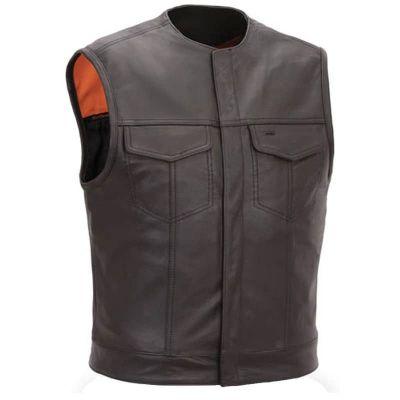
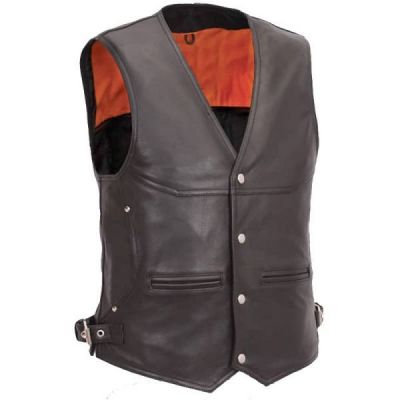
A leather motorcycle vest is a layer that combines riding style with practical storage, and a model such as the shows the typical features: snap front, pockets and a close fit. This guide explains what a vest does and does not do for a rider, how to choose one and how to look after it.
Key Takeaways
- A vest covers the torso only, so it complements a jacket or sleeves instead of replacing protective riding gear.
- Fit, hide type, lining, pockets and reflective details are the main points to compare.
- Custom orders allow patches, embroidery, studs and size changes.
- Care depends on the leather and finish, so follow the care label or the maker's instructions.
Why Choose a Leather Motorcycle Vest?
A vest is part of rider style, and it also serves a practical purpose. These are the main reasons riders choose one.
Abrasion Resistance, With Limits
Leather has long been used for riding gear. A vest leaves the arms exposed, however, and it is not a substitute for a jacket or suit with impact protectors. Protective motorcycle clothing is tested under EN 17092, whose classes are described by SATRA.
Comfort and Layering
Leather flexes and softens with wear, so a vest gradually follows the shape of the torso. It adds a windproof layer without bulky sleeves and can be worn over a shirt or under a jacket when the weather changes.
Style and Customization
The vest is a classic part of biker style and sits well over a tee, a flannel shirt or a hoodie. Custom orders allow patches, embroidery, studs, colour and fit to be specified.
How to Choose the Right Leather Vest
Fit
The vest should sit comfortably without pulling across the chest or hanging loose. Check that you can reach the handlebars and twist the torso freely. Side laces, adjustable straps or zips help fine-tune the fit.
Type of Leather
Cowhide is a common choice because it is thick and firm, as in this . Buffalo, goat and kangaroo leather are alternatives, with differences in weight and flexibility.
Lining
A lined vest feels warmer and slides on more easily. Cotton, polyester and fleece linings are common, and the right choice depends on the climate you ride in.
Pockets and Storage
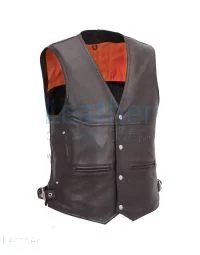
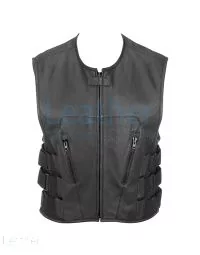
Consider what you need to carry, such as keys, a phone, a wallet or tools. A style with several zipped or snapped pockets, like this , keeps small items secure while riding.
Visibility
If you ride at dusk or at night, reflective stripes or piping help other road users see you. Treat them as an extra, and not as a replacement for a proper hi-vis layer when conditions call for it.
Maintenance Tips for a Leather Motorcycle Vest
- Cleaning: follow the care label or the maker's instructions; the right cleaner depends on the leather and finish, so test any product on a hidden area first.
- Conditioning: whether and how often to condition depends on the leather and finish, so follow the care label or the maker's instructions.
- Storage: check the maker's storage advice.
- Repairs: have small tears or loose stitching fixed early, since they tend to spread.
Choosing a Custom Vest
A custom lets you set the size, the leather, the closure and the details. If you plan to wear the vest over a jacket, mention it when specifying the measurements, and compare it with if you also need sleeves. Further options are listed at LeatherCollection.com.
Frequently Asked Questions
Does a leather vest protect a rider in a fall?
Leather resists abrasion, but a vest covers only the torso and has no sleeves or standard impact protectors. It adds a layer, but it does not replace a jacket or suit tested under EN 17092. Riders who want tested protection should choose garments made to that standard.
How should a motorcycle vest fit?
It should be snug enough not to flap in the wind, yet loose enough to let you reach the handlebars and turn your shoulders. Try it over the clothing you usually wear. Side laces or adjustable straps allow small changes as the leather softens.
What leather is used for motorcycle vests?
Cowhide is the most common because it is thick and firm. Buffalo, goatskin and kangaroo leather are also used and differ in weight and flexibility. Thicker hides feel sturdier, while lighter hides are easier to wear in warm weather.
How should a leather vest be conditioned?
Follow the care label or the maker's instructions; whether and how often to condition depends on the leather and finish. Suede, nubuck and finished leathers react differently to moisture and conditioner, so test any product on a hidden area first.
Written by the Leather Collection Editorial Team.