 USA
USA  Brazil
  Germany
  France
  Italy
Italy  Switzerland
  Sweden
  Spain
Spain  Great Britain
  Norway
  Russia
  South Africa
  Japan
Japan  New Zealand
  Australia
It is natural to assume that thicker leather always means better protection: more material, more safety. In practice the picture is more balanced. Leather thickness for motorcycle protection is about the trade-off between abrasion resistance, flexibility, weight and comfort.
This guide explains what 1.1 mm, 1.3 mm and 1.4 mm cowhide thickness mean for riders and how to choose between them.
Key Takeaways
- Thicker leather generally resists abrasion for longer, but it is also stiffer and heavier; thickness does not determine the EN 17092 class, so check the garment label.
- 1.1 mm is lighter and more flexible, 1.3 mm sits in the middle, and 1.4 mm is the thickest of the three and the stiffest.
- Thickness figures vary by maker, so ask the maker for its own and check the class on the label.
- Tanning and grain quality matter alongside the number: not every 1.3 mm hide performs the same.
Table of Contents
Why Leather Thickness Matters
Motorcycle crashes involve sliding friction. Leather protects by resisting abrasion during that slide.
Thicker leather generally gives more abrasion resistance. However, thicker material also adds stiffness and weight.
The key is balance. Riders and suit makers choose thickness according to track speed, riding style and the other materials in the suit.
1.1 mm Leather Explained
Lighter and More Flexible
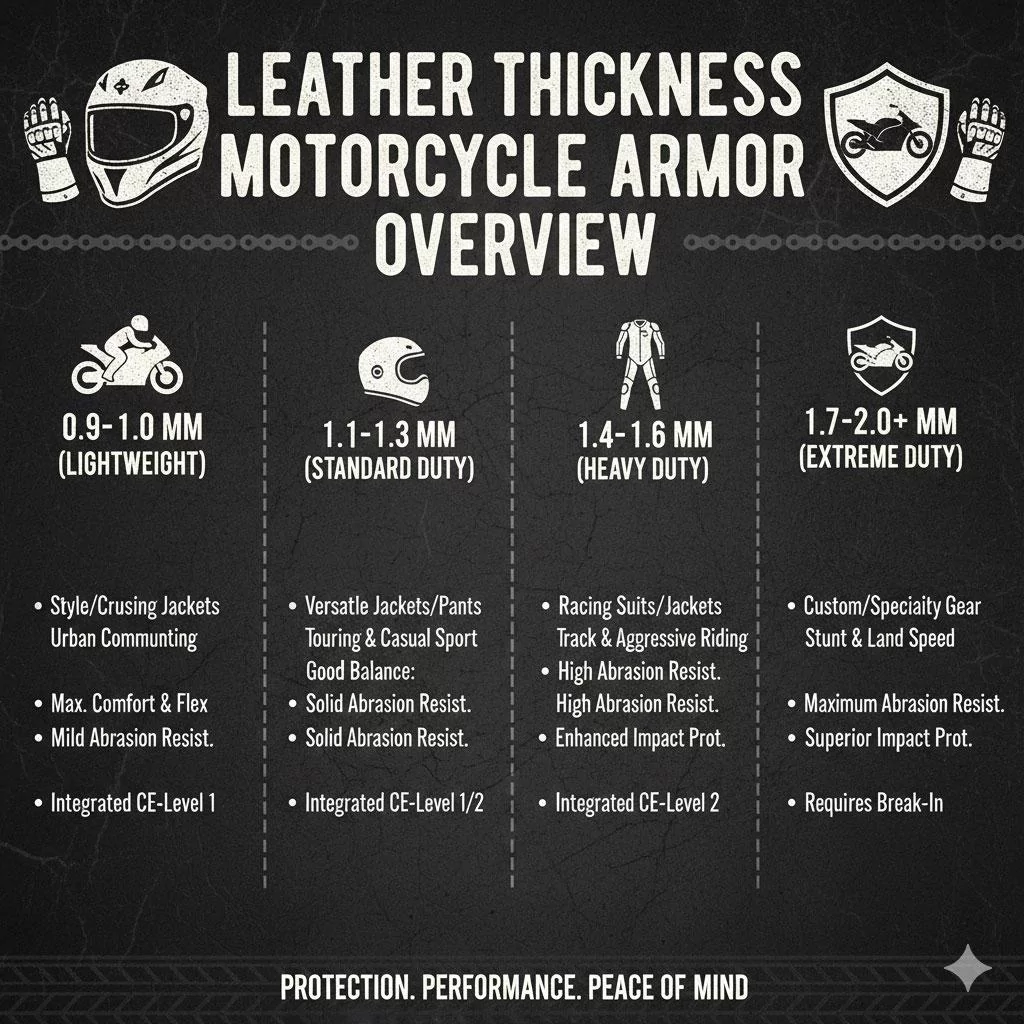
1.1 mm leather is lighter and more flexible. It allows easier movement, especially for daily commuting.
- More comfortable for long city rides
- Breaks in faster
- Less fatigue over time
The trade-off is generally less abrasion resistance than thicker leather.
Thickness alone does not show the protection class; check the garment label.
1.3mm Leather Explained
A Middle Option
1.3 mm cowhide sits between the light and heavy options and is a common middle choice.
- Stronger abrasion resistance than 1.1 mm
- Still flexible enough for movement
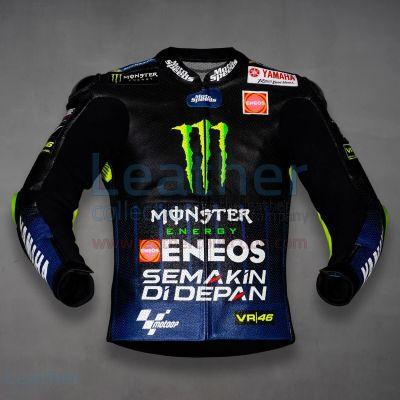
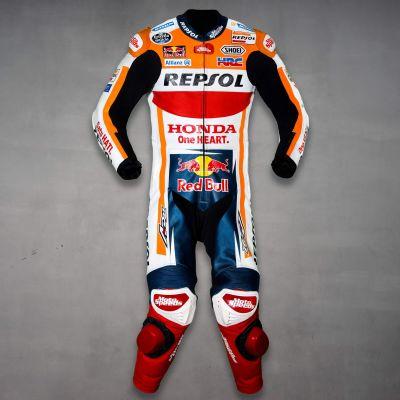
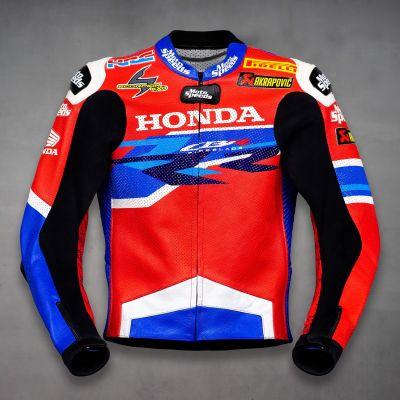
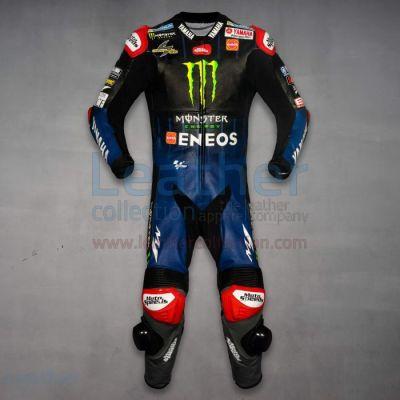
- Leather race suits such as come with maker-specific specifications, so check the figure the maker states
This thickness is a compromise between abrasion resistance and comfort. A full-leather example is the .
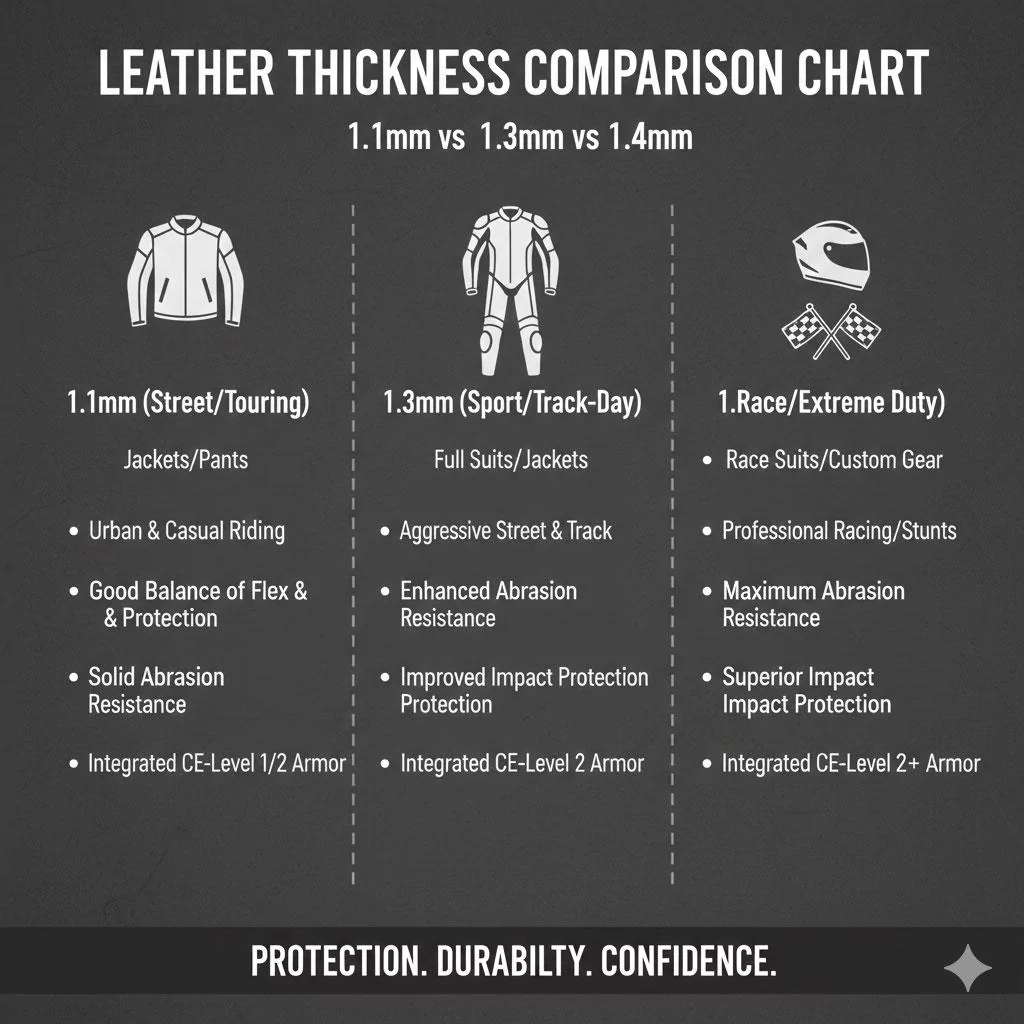
1.4 mm Leather Explained
The Thickest of the Three
1.4 mm cowhide is generally the most abrasion resistant of the three. Kangaroo is generally used thinner than cowhide, so makers quote different figures for each.
- Generally longer abrasion resistance than thinner leather
- More durable over repeated contact
It feels stiffer and heavier at first, and the break-in takes longer.
This thickness puts abrasion resistance ahead of comfort, and riders who want it often compare options when browsing .
1.1 mm vs. 1.3 mm vs. 1.4 mm Comparison
The points below are a generic guide to general tendencies for cowhide of similar quality, not test results.
Abrasion Resistance
Thicker leather generally resists abrasion for longer, so 1.4 mm tends to be the most resistant of the three and 1.1 mm the least.
Flexibility
- 1.1 mm: Excellent
- 1.3 mm: Very Good
- 1.4 mm: Moderate
Weight
- 1.1 mm: Lightest
- 1.3 mm: Balanced
- 1.4 mm: Heaviest
A difference of 0.2 mm may sound small, but across a whole suit it changes how the leather moves and how heavy the suit feels.
Racing Leather Specs and Standards
EN 17092 does not prescribe one thickness. It tests the finished garment for abrasion, tear and seam strength, with requirements that differ by class (SATRA overview of EN 17092). Thickness is one of several factors that decide whether a material reaches those results.
Race-suit makers publish their own figures for cowhide and kangaroo, and the numbers differ between makers.
Armour is tested separately under EN 1621, so leather thickness and armour ratings answer different questions: slide time on one side, impact force on the other.
Thickness does not determine the class, so check the label on the garment.
Understanding Cowhide Thickness
Cowhide thickness depends on the tanning and splitting processes.
Full-grain cowhide keeps the natural fibre structure of the hide. Corrected-grain leather has a surface that has been sanded and refinished.
Not all 1.3 mm leather performs equally. The quality of tanning and the grain both matter.
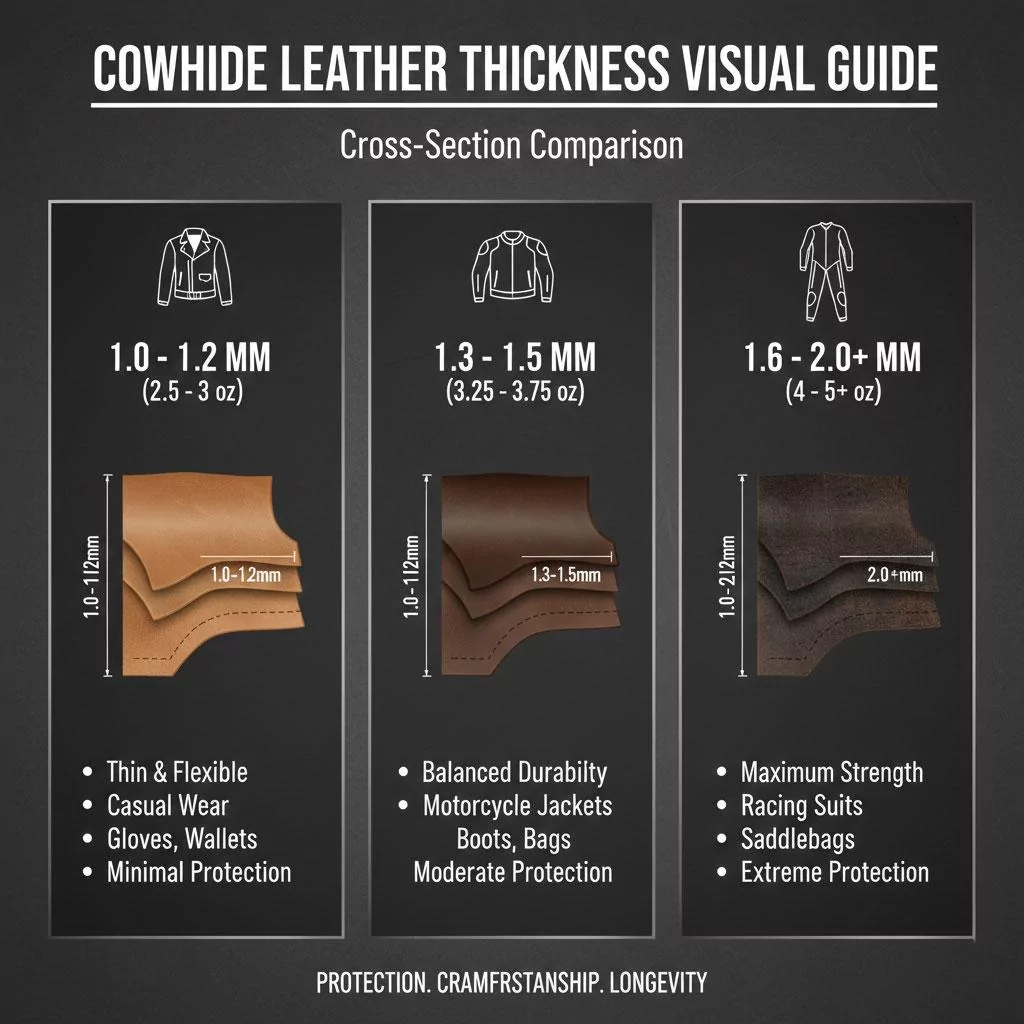
How to Choose the Right Thickness
Thickness is a trade-off, and the class on the garment label is the reference for tested abrasion performance.
Choose 1.1 mm if:
- You prioritize comfort
- You want lighter gear
- You want leather that breaks in faster
Choose 1.3 mm if:
- You want balanced performance.
- You want a middle ground between flexibility and abrasion resistance.
Choose 1.4 mm if:
- You prioritize abrasion resistance.
- You accept slightly heavier, stiffer gear
Conclusion: Thickness Is One Factor
Leather thickness for motorcycle protection is not about choosing the thickest option blindly.
It is about matching the material to your priorities and checking the label.
1.3 mm is the balanced middle option. 1.4 mm is the most abrasion resistant of the three. 1.1 mm supports lighter, more flexible comfort.
None of them replaces the EN 17092 class stated on the garment.
Browse leather .
Frequently Asked Questions
Does leather thickness show how protective a garment is?
Not on its own. Thicker leather generally resists abrasion for longer, but it is stiffer and heavier, and thickness does not determine the EN 17092 class. The class on the garment label, not the thickness alone, indicates tested abrasion performance, so check the label whichever thickness you are considering.
Is thicker leather always better?
No. Thicker leather generally resists abrasion for longer, but it is also stiffer and heavier, which reduces mobility and comfort. The right thickness depends on speed, riding position and the other parts of the suit, such as armour, stretch panels and seams.
What thickness do race suits use?
It varies by maker, and the figures differ between makers. Kangaroo is generally used thinner than cowhide. Ask the maker for its figures, and check the EN 17092 class on the label, which tests performance rather than a thickness number.
Does leather thickness affect CE certification?
Indirectly. EN 17092 tests the finished garment for abrasion, tear and seam strength, and the armour separately under EN 1621. Thickness is one factor in whether the leather reaches the class tested, but the label reflects the test result, not a thickness figure.
How long does 1.4 mm leather take to break in?
It varies with riding position, how often the suit is worn and any stretch panels. Expect it to feel stiff at first and to soften over several rides. Wearing it regularly around the house before a track day is a common way to start the break-in.
Written by the Leather Collection Editorial Team.