 USA
 Brazil
 Germany
 France
 Italy
 Switzerland
 Sweden
 Spain
 Great Britain
 Norway
 Russia
 South Africa
 Japan
 New Zealand
 Australia


Leather collect dust, sweat and surface dirt with wear, and leather that is left dry and dirty can lose its softness and start to crack. A simple routine of dusting, spot cleaning and conditioning can be done at home.
1. Gather the Supplies
Follow the care label and the maker's instructions first; the right cleaner and conditioner depend on the leather's finish and construction. If none is given, test any product on a hidden area. The outline below is general and needs very little equipment:
- A dry microfibre cloth for dusting
- A cleaner that the care label or maker recommends for that finish
- A leather conditioner, only if the maker recommends one, and a clean, soft cloth to apply it
- A sturdy hanger with padding or wide shoulders
Bleach, ammonia and alcohol-based household cleaners should stay out of the cupboard for this job, and so should abrasive tools or rough brushes.
2. Dust the Surface
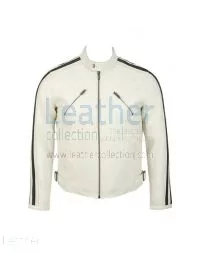
Wipe the whole jacket with the dry microfibre cloth to lift surface dust and debris before any liquid touches the leather. This stops dirt from being rubbed into the surface in the next step. Light-coloured leather, such as a , shows marks easily, so dusting before cleaning is worth the minute it takes.
3. Spot Clean and Wipe
Dampen a cloth with the cleaner the label recommends, wring it out well and blot marks gently. Then wipe the jacket section by section in circular motions. The cloth should be damp, not wet, and the care label says whether water suits that leather. Test any cleaner on a hidden spot first, because finished leather and suede are treated differently.
4. Let It Dry Naturally
Air dry the jacket in a ventilated room, away from radiators, hair dryers and direct sunlight. Direct heat dries leather out and can lead to cracking.
5. Condition the Leather
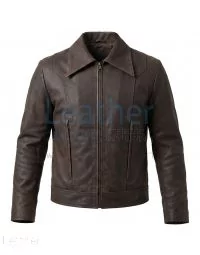
If the maker recommends conditioning, apply it once your is fully dry: use a small amount of conditioner on a soft cloth and work it in evenly, including the seams, collar and cuffs. Follow the amount and waiting time given on the conditioner label, then buff off any excess. Condition only if the maker recommends it for that leather, following the product label.
6. Store It Properly
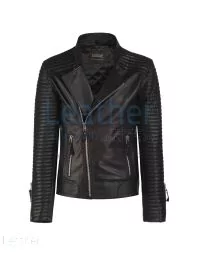
Hang the jacket on a padded or wide-shouldered hanger so it keeps its shape (museum conservators also recommend padded hangers for hanging storage; the Canadian Conservation Institute guidance is written for heritage collections, not worn clothing), in a cool, dry place with air circulation. A breathable garment bag is better than a plastic cover for longer storage. This applies to every cut, from a biker style to a .
Summary
Dust first, follow the care label for cleaning, dry away from heat, condition only if the maker advises it, and store on a good hanger. Regular short routines are easier on leather than a rare heavy clean.
Written by the Leather Collection Editorial Team.