 USA
USA  Brazil
  Germany
  France
  Italy
Italy  Switzerland
  Sweden
  Spain
Spain  Great Britain
  Norway
  Russia
  South Africa
  Japan
Japan  New Zealand
  Australia
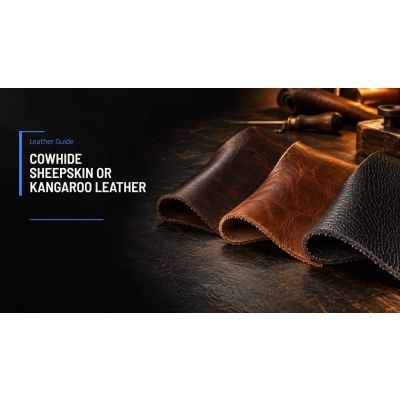
The type of leather matters in every product, from to gloves and boots. Each kind differs in strength, flexibility, comfort and texture. The three most often compared are cowhide, sheepskin and kangaroo leather, and the right one depends on how the gear will be used.
Key Takeaways
- Cowhide is thick, tough and abrasion resistant, a common base for rugged jackets and suits.
- Sheepskin is soft and light, and suits casual jackets, gloves and coats rather than hard use.
- Kangaroo leather is thin and strong for its weight, which is why it appears in racing suits and gloves.
- Match the leather to the job: durability for riding, softness for daily wear, low weight for track use.
1. Cowhide Leather: The Durable Classic
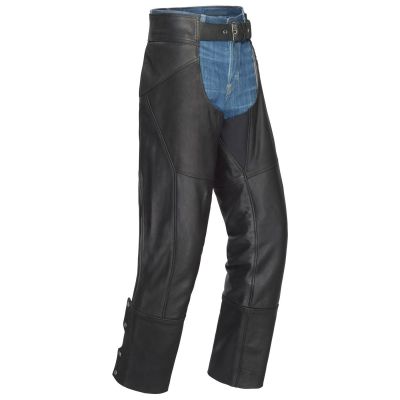
Cowhide is widely used in both fashion and protective gear. It is thick and tough, and it resists abrasion well, which makes it a common choice for , jackets and heavy-duty outerwear.
Key Features
- Durability: Resistant to wear and tear, which suits riders and workers who need hard-wearing gear.
- Texture: Firm at first, it becomes supple with use.
- Protection: Cowhide is widely used for protective clothing; the garment’s EN 17092 class and armour determine its tested protection.
- Suited to: Riders, bikers and anyone wanting long-lasting leather gear.
Pros: Tough and holds its structure well.
Cons: Heavier than the other two and slower to break in.
For toughness and longevity, cowhide is a dependable baseline against which other leathers are compared.
2. Sheepskin Leather: Soft and Light
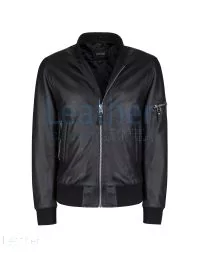
Sheepskin is known for its soft, lightweight feel, which gives comfort without the weight of cowhide. It is often chosen for , gloves and coats designed for daily wear rather than rugged performance.
Key Features
- Softness: A fine, pliable grain that feels comfortable against the skin.
- Light weight: Easier to wear for extended periods than cowhide.
- Warmth: Often used in coats for cooler weather.
- Suited to: Casual wear, fashion jackets and comfort-focused outerwear.
Pros: Light, comfortable and easy to wear.
Cons: Generally thinner and softer; for abrasion protection, rely on the garment’s tested class (EN 17092) rather than the leather type.
If comfort is the main priority, sheepskin is a sensible fit.
3. Kangaroo Leather: Light and Strong
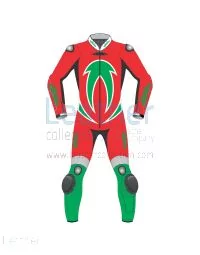
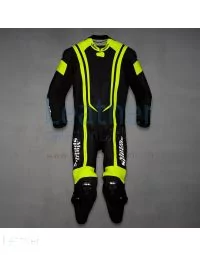
Kangaroo leather is valued for its strength relative to its weight. Its collagen fibres lie in parallel rows, which allows the hide to be split very thin and still keep much of its strength, and it is reported to be considerably stronger than cowhide (Wikipedia: Kangaroo leather). That makes it a common choice for professional racing suits, and other performance gear.
Key Features
- Strength: Strong for its thickness, so makers can use it thinner than cowhide.
- Light weight: Supports mobility and comfort during high-speed riding.
- Flexibility: Thin, supple leather suits close-fitting gear.
- Suited to: , gloves and performance-oriented gear.
Pros: Light, flexible and strong for its thickness.
Cons: Follow the maker’s care instructions.
Kangaroo leather is used in race gear because it can be made thin; protection is shown by the garment’s EN 17092 class.
Which Leather for Which Gear?
| Leather | Feel | Typical Use |
|---|---|---|
| Cowhide | Thick, firm, softens with wear | Riding jackets, suits, heavy-duty outerwear |
| Sheepskin | Soft, light, warm | Casual jackets, gloves, coats |
| Kangaroo | Thin, flexible, strong for its weight | Racing suits, gloves, performance gear |
Conclusion
When choosing between cowhide, sheepskin and kangaroo leather, the decision depends on how the gear will be used.
- Choose cowhide for durability and rugged protection.
- Go with sheepskin for softness and comfort.
- Opt for kangaroo leather for lightweight performance and strength for its thickness.
Each type suits different needs. For riding, the leather is only one part of the picture: the protection class on the label, the armour and the fit matter as well, whether the gear is for the road, the runway or everyday life.
Frequently Asked Questions
Which leather is the most durable?
Cowhide is thick and abrasion resistant, which makes it the usual base for rugged jackets and suits. Kangaroo leather is reported to be stronger still for its thickness, so makers can use it thinner. Sheepskin is generally thinner and softer, so it is chosen for comfort; for abrasion protection, the garment’s tested class (EN 17092) matters more than the leather type.
Is kangaroo leather better than cowhide for motorcycle gear?
It depends on the priority. Kangaroo is lighter and can be used thin while keeping strength, which suits racing suits and gloves. Cowhide is thicker and a common choice for jackets and general riding gear. Neither replaces the EN 17092 class and armour that a garment label states.
Is sheepskin suitable for riding?
Sheepskin is comfortable and light, and it suits casual and fashion jackets, gloves and coats. It is generally thinner than cowhide, so riders who want abrasion protection should check the protection class on the garment label rather than rely on the leather type.
How should leather jackets be cared for?
Follow the care label or the maker’s instructions. The right cleaner or conditioner depends on the leather’s finish and construction, so check what the maker recommends for that garment before using any product. If the care label is missing, ask the maker or seller for guidance.
Written by the Leather Collection Editorial Team.