 USA
USA  Brazil
  Germany
  France
  Italy
Italy  Switzerland
  Sweden
  Spain
Spain  Great Britain
  Norway
  Russia
  South Africa
  Japan
Japan  New Zealand
  Australia
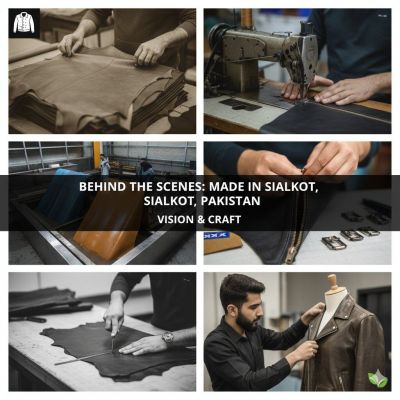
A leather jacket takes shape long before the first seam: hide selection, tanning, cutting, stitching, hardware and inspection each leave a mark on the finished garment. This guide follows those six stages as they are carried out in the leather workshops of Sialkot, Pakistan, where Leather Collection has made hand-stitched, made-to-order leather gear since 2009.
Key Takeaways
- Sialkot is mainly known for sports goods, surgical instruments and leather work.
- Jacket quality starts with the hide: full-grain leather keeps the natural grain surface and develops a patina.
- Cutting, stitching and finishing are hand skills, and each one affects fit and wear.
- Stress points such as underarms, pockets and the crotch seam are where stitching and inspection matter most.
Why Sialkot? A City of Leather and Craft
According to Wikipedia, Sialkot is known as a manufacturing centre for sports goods and surgical instruments, and its leather workers produce goods ranging from football leather to lederhosen. That combination of cutting, stitching and finishing skills is why the city is associated with leather work, including jackets.
Step 1: Selecting the Hides
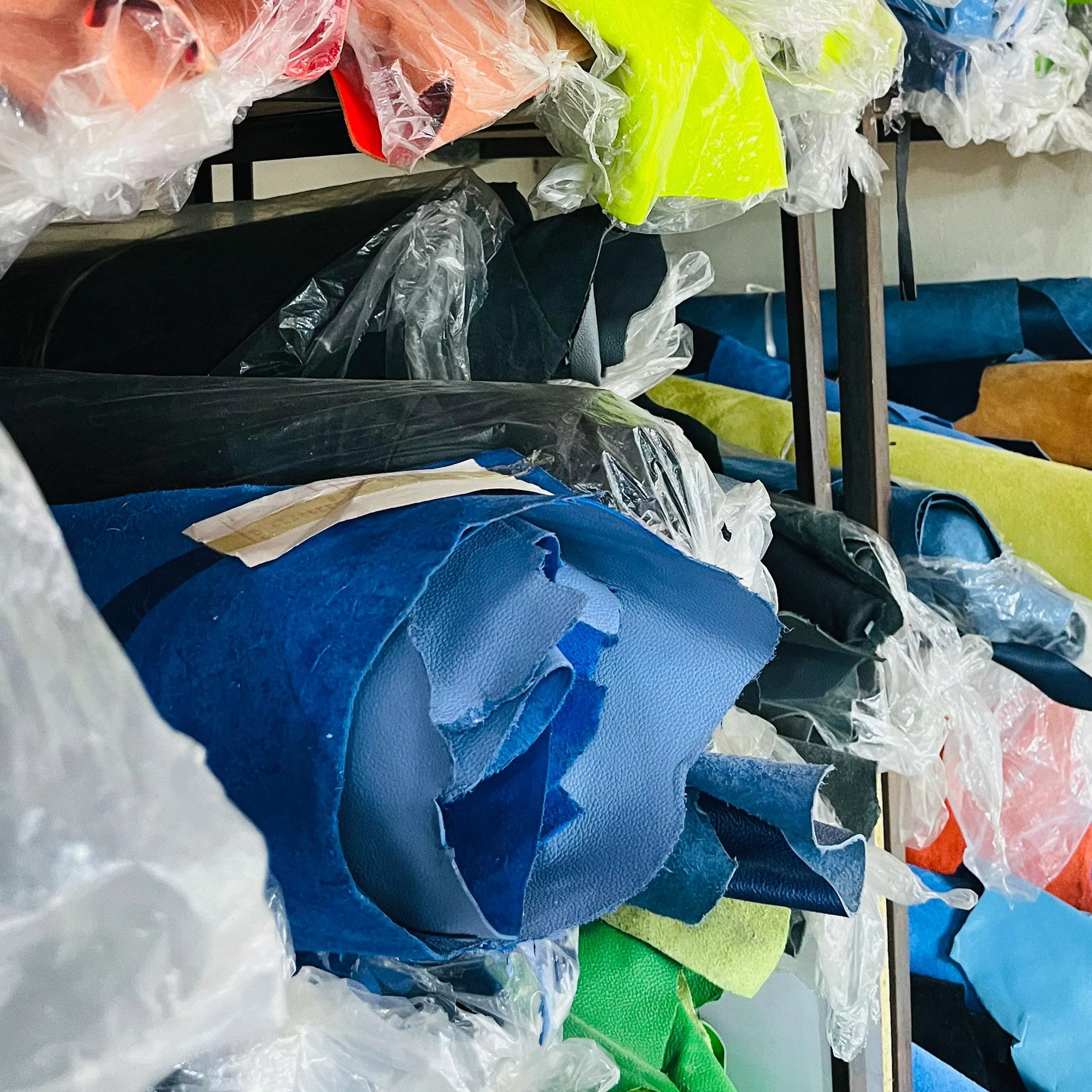
The process starts with the raw material. A jacket cannot be better than the hide it is cut from, so selection sets the ceiling for the finished garment. Three types of hide are common in jackets:
- Sheepskin and lambskin: soft and light, used for fashion jackets.
- Cowhide: thick and firm, used for heavier jackets and riding gear.
- Goatskin: a middle ground, flexible and tough, with a pebbled grain.
Hides also differ in grade. As Wikipedia explains, full-grain leather keeps the entire grain layer without removing the surface, so it develops a patina with use rather than simply wearing out. Split leather is made from the layer left after the top grain is separated.
Step 2: Tanning and Dyeing
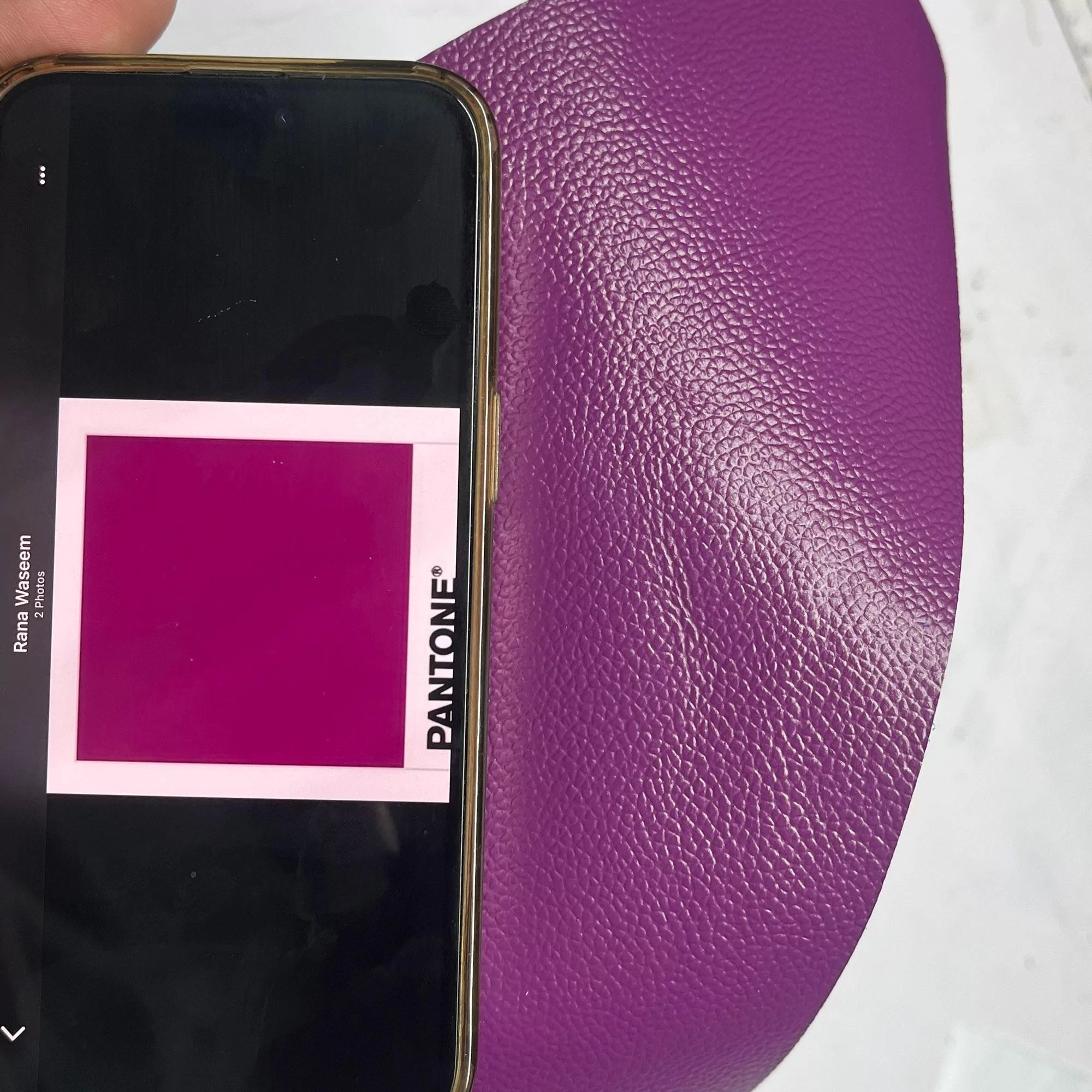
Tanning turns raw skin into leather that does not rot. The same source describes vegetable tanning as the oldest method and chrome tanning as the most common in modern use, and it treats aniline as a finishing type: leather coloured with a soluble dye that lets the natural surface of the hide show through.
The choice of tanning and finish affects softness, colour depth and how the jacket ages. It is worth asking a maker which finish a jacket uses, because a heavily coated surface and an aniline surface wear differently.
Step 3: Pattern Making and Cutting
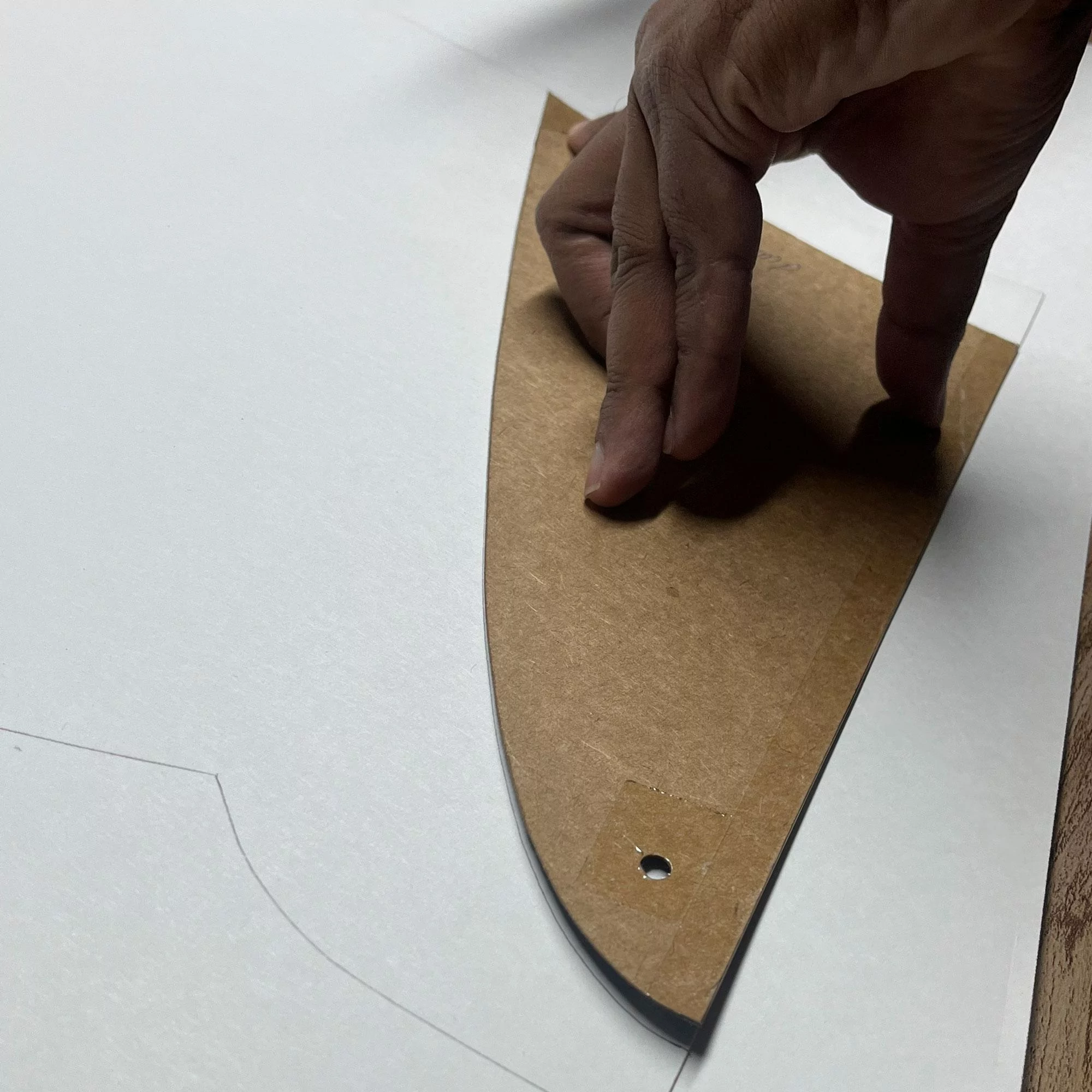
Once the leather is ready, it is laid out for cutting. Every hide has its own thickness, stretch and natural marks, so cutters check each one before cutting rather than treating it as uniform cloth.
- Panels for left and right sleeves are matched so the grain runs the same way.
- Marks and weak areas are kept away from seams.
Cutting follows templates, and accuracy here decides how well the panels meet at the seams and how the jacket hangs on the body.
Step 4: Stitching
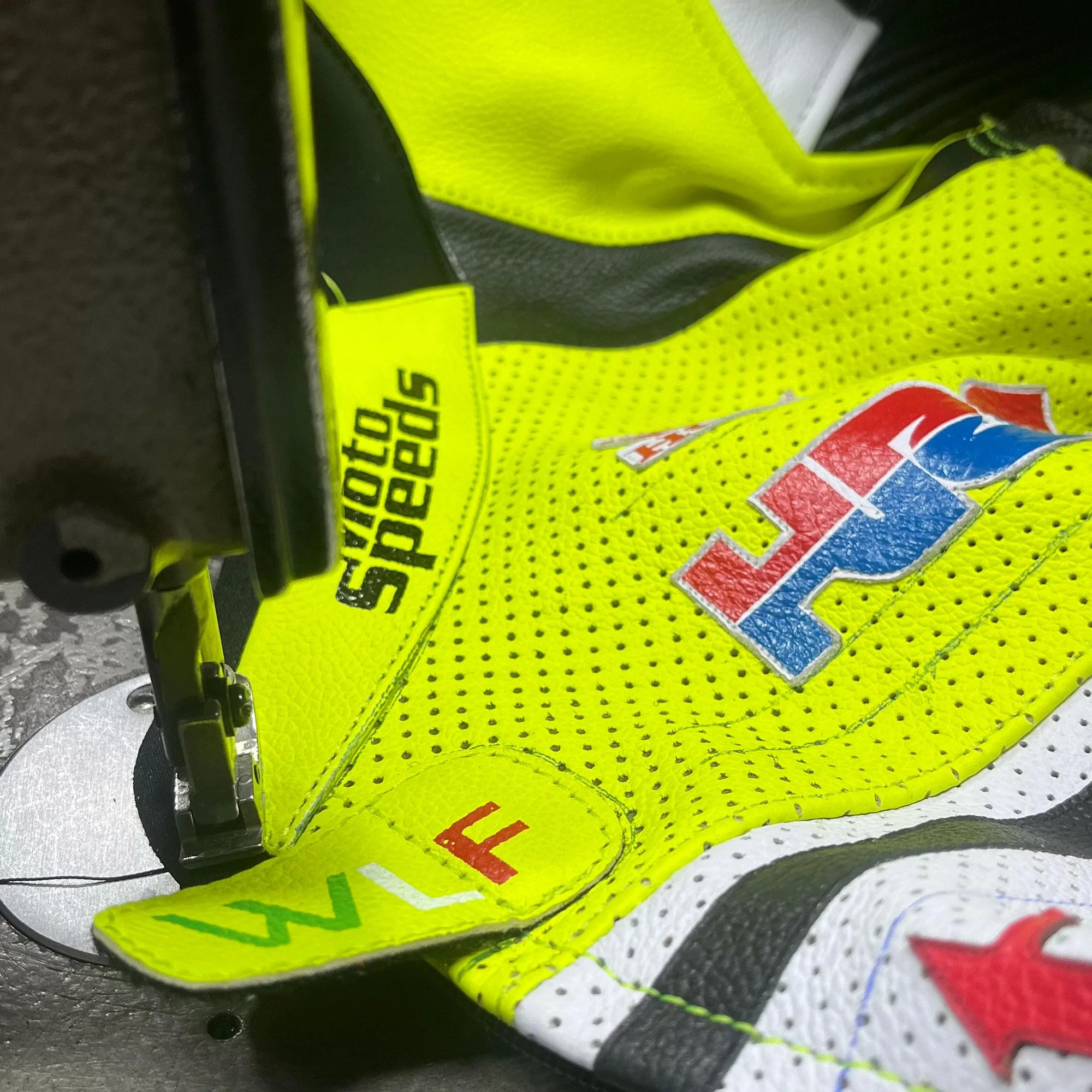
Stitching is the most demanding stage. Leather is harder to sew than cotton, and a needle leaves a permanent hole, so a seam cannot be unpicked and redone the way a seam in a t-shirt can. A crooked line often means recutting the panel.
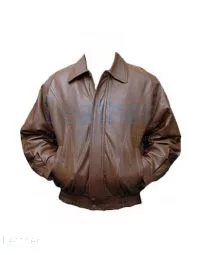
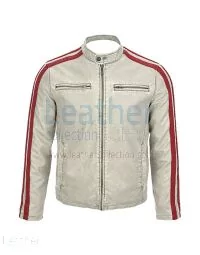
Heavy-duty industrial machines and strong thread are typical, and stress points such as the armpits, pockets and crotch seam are reinforced. Leather Collection makes its jackets hand-stitched and to order. To see how panels come together in different styles, browse across the range.
Step 5: Hardware and Lining
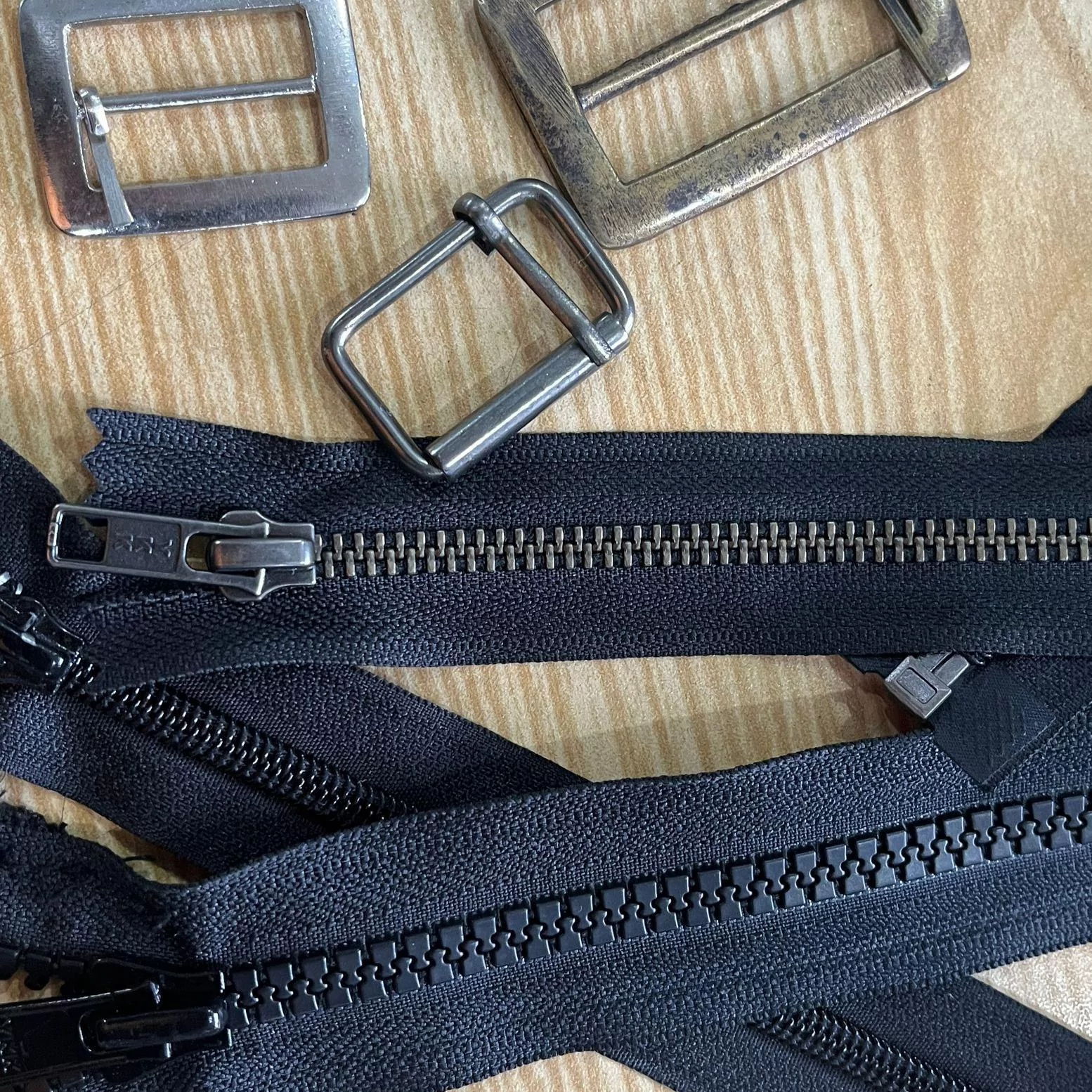
Zippers, snaps and buttons are small parts with a large effect on daily use. Look for these points on any jacket:
- Zippers: they should run smoothly, lock securely and not catch the lining.
- Snaps and buckles: they should close firmly and resist corrosion.
- Lining: satin or cotton linings feel different against the skin, and the choice affects warmth and breathability.
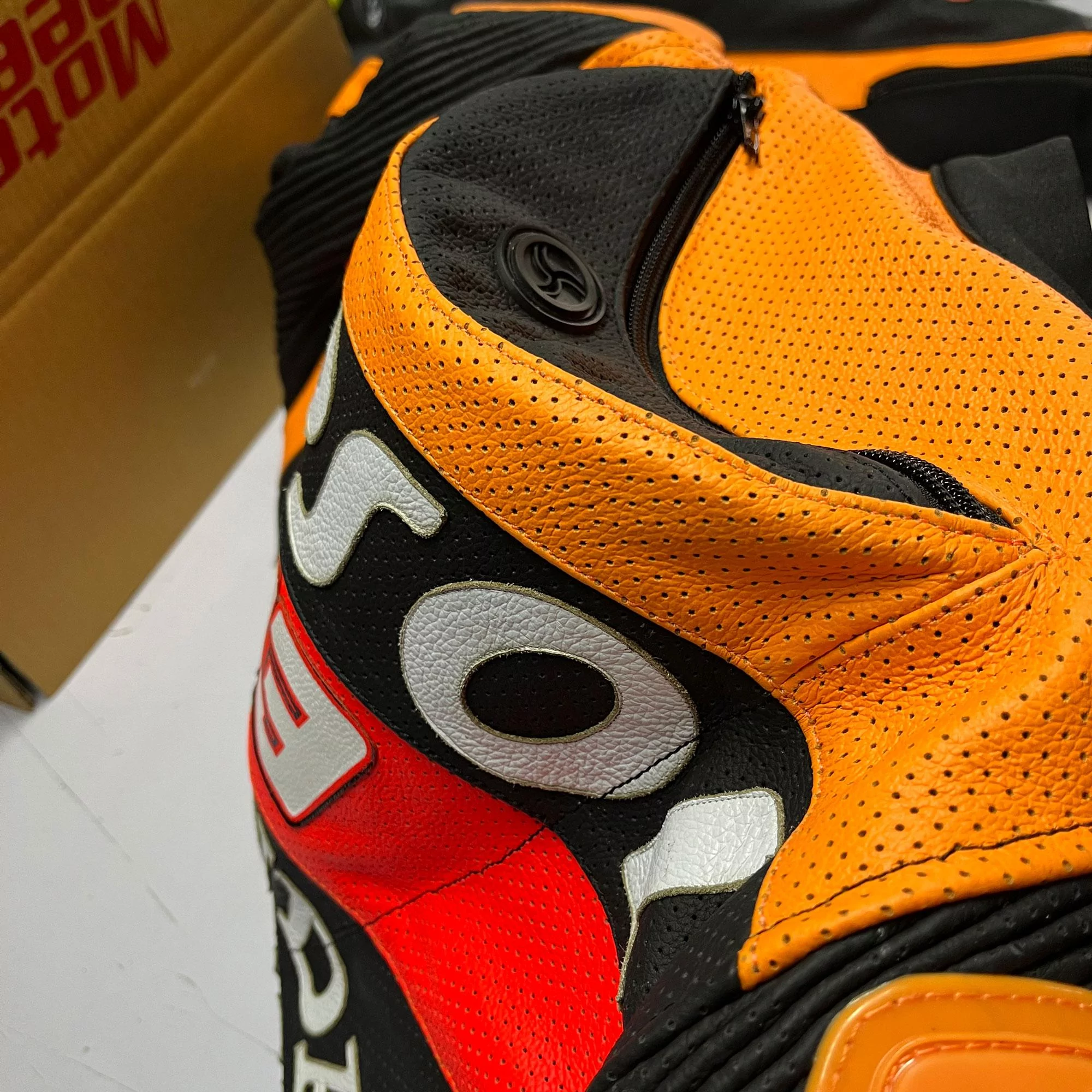
For hardware and finishing on a completed jacket, see the .
Step 6: Final Inspection
Before a jacket is packed, a typical inspection looks at four things:
- Seams: straight and secure.
- Hardware: zippers move easily and snaps close firmly.
- Finish: colour is consistent across panels.
- Measurements: the jacket matches the size on the label.
A loose thread or a crooked seam is corrected before the jacket leaves the workshop.
Skill and Time
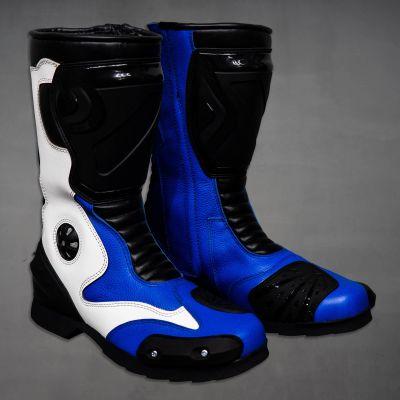
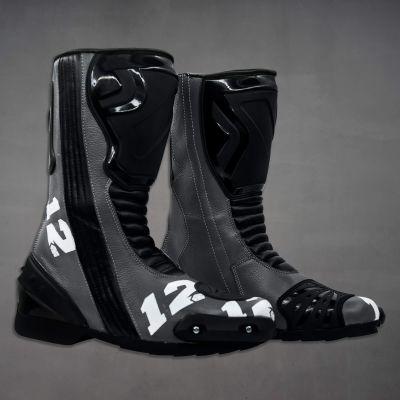
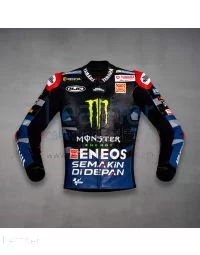
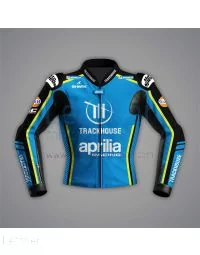
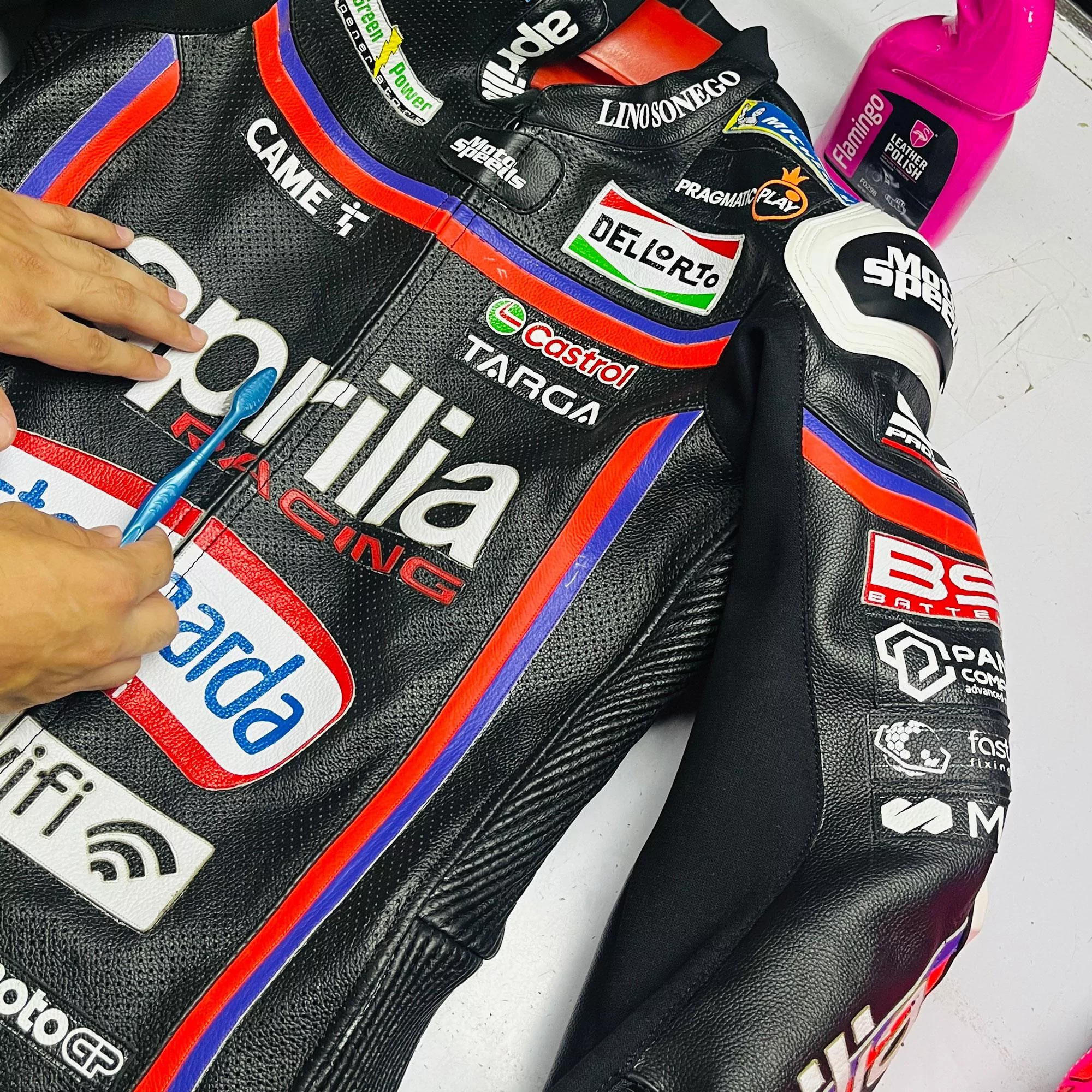
Behind each of these stages is hand skill. Cutting, stitching and finishing are done by trained workers, and the time spent at each stage shows in how the jacket fits and wears. Race-inspired pieces follow the same sequence with more panels and seams, as seen in rider replica work such as .
The Result: A Jacket Shaped by Its Process
A jacket made in this way is not the same as a machine-cut garment produced in bulk. Leather softens with wear, takes on the shape of the person who wears it and develops a patina over the years, especially in full-grain hide.
Conclusion
Hide selection, tanning, cutting, stitching, hardware and inspection together decide how a leather jacket looks, fits and ages. Knowing the stages helps in judging any jacket, whoever makes it.
Frequently Asked Questions
Why are leather jackets made in Sialkot?
Sialkot is known as a manufacturing centre for sports goods and surgical instruments, and its leather workers make goods from football leather to lederhosen, according to Wikipedia. Cutting, stitching and finishing skills built up around those industries also apply to leather garments, which is why jackets are made there.
What is full-grain leather?
Full-grain leather keeps the entire grain layer of the hide without sanding the surface away. It develops a patina with use instead of simply wearing out. Top-grain has the surface lightly processed, and split leather comes from the layer left after the top grain is separated from the hide.
Why is stitching leather harder than sewing cloth?
A needle leaves a permanent hole in leather, so a seam cannot be unpicked and redone without leaving marks. Leather is also thick and firm, which calls for heavy-duty machines and strong thread. Stress points such as underarms, pockets and the crotch seam are usually reinforced.
What should be checked on a finished leather jacket?
Check that seams are straight and secure, zippers run easily and lock, snaps close firmly, the colour is even across panels and the measurements match the size label. Also check which hide and finish the jacket uses, because they decide how it feels and ages.
Written by the Leather Collection Editorial Team.