 USA
 Brazil
 Germany
 France
 Italy
 Switzerland
 Sweden
 Spain
 Great Britain
 Norway
 Russia
 South Africa
 Japan
 New Zealand
 Australia


Leather clothing handles everyday weather well, but rain and moisture are the one thing every owner eventually has to deal with. A sudden downpour on a commute or a drizzle on a walk leaves the jacket wet, and how it is treated in the next hours decides whether it stays supple or turns stiff and stained. This guide covers how to dry wet leather clothing, how to restore it afterwards and how to reduce the damage next time.
Key Takeaways
- Blot wet leather gently with a dry cloth; rubbing pushes water deeper and can mark the surface.
- Dry it slowly at room temperature on a wide hanger, away from radiators, hair dryers and direct sunlight.
- Let the leather dry fully, then check the garment care label before using any conditioner; the right product depends on the finish.
- Never store damp leather in a closed space, because high humidity favors mould.
Why Rain Matters for Leather
Leather is a natural material made from animal skin, and most leathers are damaged by direct contact with water. The Canadian Conservation Institute, in guidance written for museum collections of rawhide and skins rather than worn clothing, notes that wetted rawhide can stiffen, stain, darken and become brittle, and that semi-tanned skins can shrink or stiffen (Canadian Conservation Institute). Garment leather is finished differently from those materials, so the care label is the first thing to check, but slow drying and gentle handling are the safe approach for any leather garment.
1. Stay Calm and Blot the Water
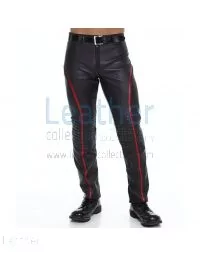
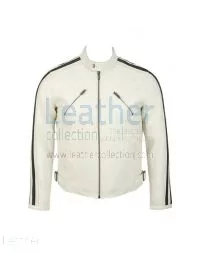
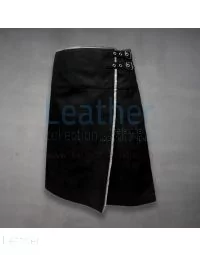
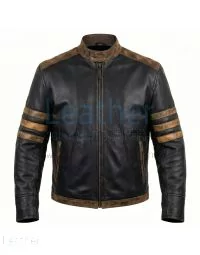
When a leather jacket, , or skirt gets wet, the first step is to act promptly and gently. Avoid rubbing or scrubbing, because that can mark the surface and remove surface finish. Instead, blot excess water with a soft, dry cloth, pressing rather than wiping so the cloth absorbs moisture instead of spreading it. Paper towels can leave lint behind, so a cloth is the better choice.
2. Let Leather Air Dry Naturally
Once the surface water is gone, lay the garment flat on a clean surface or hang it on a wide, padded hanger so it keeps its shape. Open the zipper and the pockets so air can reach the lining. Keep it away from radiators, hair dryers and direct sunlight. Heat dries out leather, deforms it and can leave it brittle, which is why slow drying at room temperature in a ventilated room is generally recommended; follow the care label. This applies to any style, whether a or a , and also to leather pants and skirts hung to dry.
3. Check the Leather After Drying
If the leather feels dry or stiff after drying, check the garment's care label; whether a conditioner is appropriate depends on the finish and construction. If the maker or label allows one, test it on a hidden area first and avoid products that are not made for leather. Garments that were soaked, are heavily stained or carry a special finish are better handled by a professional leather cleaner.
4. Use a Protective Spray
Some makers recommend a protective spray made for leather; check the care label first. A spray does not make a jacket waterproof, and its effect varies with the finish and wears off, so follow the product instructions. Always test it on an inconspicuous spot, because some treatments can darken or change the finish.
5. Common Mistakes to Avoid
- Do not fold or store wet leather in a bag, box or tight space. Conservation guidance for museum collections notes that humidity above about 65% favors mould on leather; for worn clothing the practical point is the same: do not store a damp garment in a closed bag, because damp leather in a closed space invites mould and creases.
- Do not use harsh detergents or cleaning products on wet leather, as they can discolour the finish.
- Do not rush drying with heat, which can lead to stiffness and cracks.
6. Regular Maintenance
Care beyond rain follows the same principles: clean gently, follow the care label for any conditioner, and store the garment in a cool, dry place. Breathable garment bags protect it from dust without trapping humidity, which plastic covers can do.
Conclusion
Rain does not have to ruin leather clothing. Blotting excess water, drying slowly away from heat and following the care label for any conditioner or protective spray help reduce stiffness, cracking and stains.
Frequently Asked Questions
Can a leather jacket be worn in the rain?
Light rain is usually manageable for finished leather, but the jacket gets wet and needs proper drying afterwards. Heavy or repeated soaking is harder on the material, because water followed by fast drying can leave leather stiff or stained. Some makers recommend a protective spray for light rain (check the care label first), and the garment should be dried slowly at room temperature as soon as possible.
How long does it take a wet leather jacket to dry?
Drying time depends on how wet the jacket is, the thickness of the leather and the room conditions, so no single number applies. The jacket is dry when the leather and the lining feel dry throughout, not only on the surface. Allow plenty of time, keep it on a wide hanger with the zipper open, and never speed it up with a hair dryer or a radiator.
Can a hair dryer be used on wet leather?
No. Heat dries out leather, deforms it and can leave it brittle or cracked, and a hair dryer concentrates heat on one area. A slow dry at room temperature in a ventilated space away from sunlight and radiators is the safer method. If the leather feels stiff after drying, check the care label; whether a conditioner is appropriate depends on the finish.
When should wet leather clothing go to a professional?
A professional leather cleaner is the better choice after a full soaking, for visible water marks or stains that do not fade after drying, for mould, and for garments with a special finish such as suede or nubuck. Those cases are hard to repair at home, and an incorrect treatment can make the damage permanent.
Written by the Leather Collection Editorial Team.