
 USA
 Brazil
 Germany
 France
 Italy
 Switzerland
 Sweden
 Spain
 Great Britain
 Norway
 Russia
 South Africa
 Japan
 New Zealand
 Australia

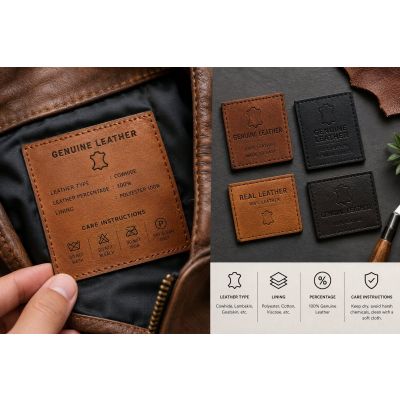
When you're shopping for a leather jacket, coat, vest, or bag, you'll notice labels that say "genuine leather," "full-grain," or "top-grain." These terms matter—but they don't all mean the same thing. Understanding what genuine leather label meaning really tells you helps you make a smarter purchase and know what you're actually getting. Many shoppers assume all leather labels indicate the same quality, but the reality is more nuanced. This guide explains what these labels actually mean, what to look for, and how to compare leather products before you buy.
Quick Answer
Genuine leather is a legal classification that means the product contains real leather, but it doesn't indicate quality or durability. Full-grain and top-grain are higher-quality leather types with visible grain patterns. Split leather and bonded leather are lower-grade options. Check the label for leather type, look at the product description for details about construction and finish, and compare the price and appearance to similar products. Always read care instructions, because different leather types require different maintenance.
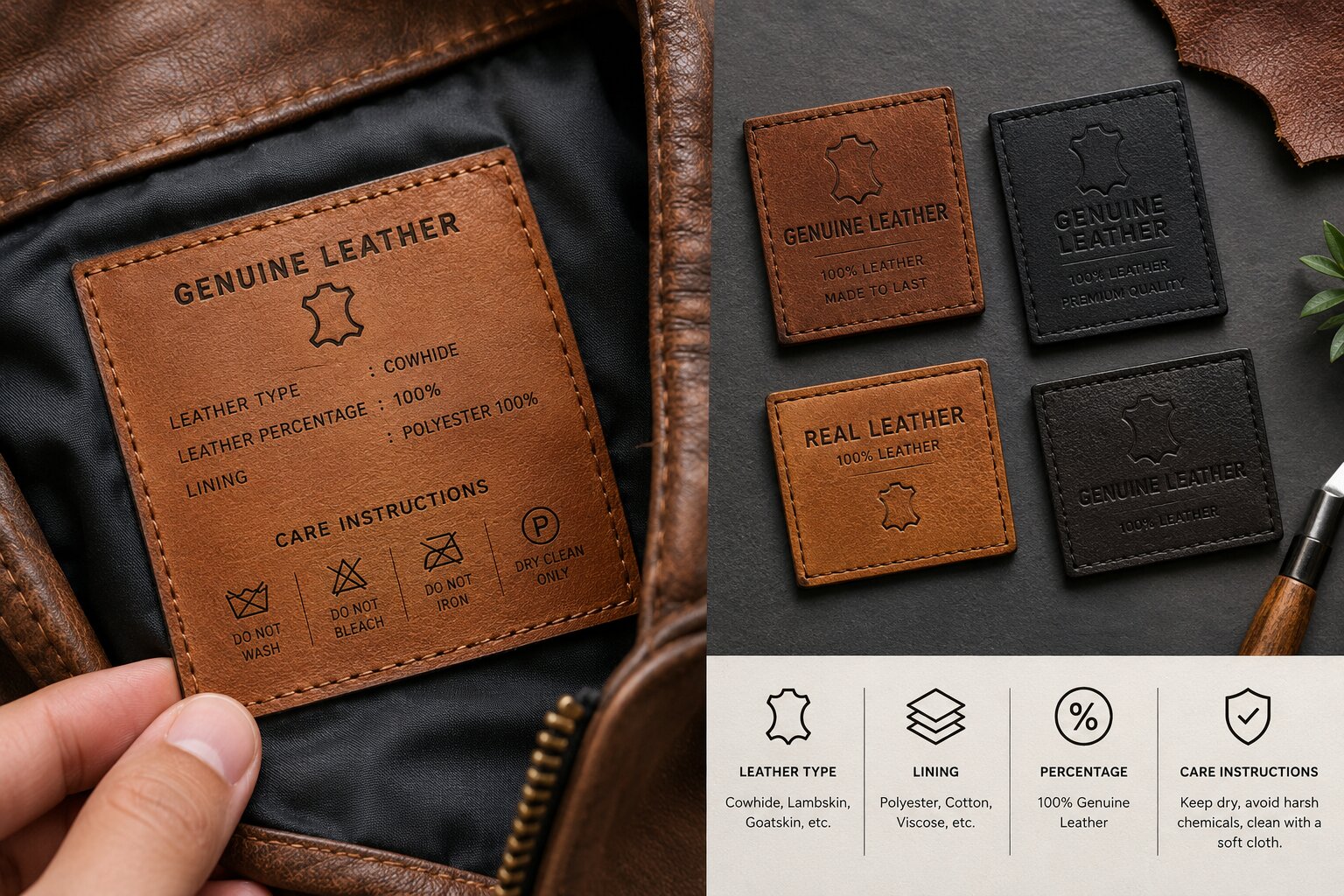
Table of Contents
- What Genuine Leather Label Meaning Really Means
- Leather Grades and Quality Levels
- How to Read Leather Product Labels
- Common Leather Label Terms Explained
- What to Check Beyond the Label
- Comparing Leather Products: Label to Reality
- Understanding Care Labels and Maintenance
- Common Mistakes When Reading Leather Labels
What Genuine Leather Label Meaning Really Means
"Genuine leather" is a legal term in most countries that simply means the product contains real leather. It does not indicate quality, durability, softness, or how long the product will last. Many shoppers think "genuine leather" is the best option, but it's actually a baseline classification that includes several different grades and quality levels.
Think of genuine leather like the word "food." It tells you something is real, but it doesn't tell you if it's fresh produce, processed, or highly refined. All full-grain leather is genuine leather, but not all genuine leather is full-grain. The label alone doesn't give you the complete picture of what you're buying.
Leather Collection products are made from real leather, and the label will specify the type. Understanding what comes after "genuine" on the label—such as full-grain, top-grain, or split—is where the real information lies. This is what helps you understand the product's appearance, feel, durability potential, and care needs.
Leather Grades and Quality Levels
Leather comes in different grades based on how the hide is processed and what part of the animal hide is used. Higher grades tend to be more durable, more flexible, and develop a richer appearance over time. Lower grades may be stiffer, require more maintenance, or show wear more visibly. Neither is wrong for every buyer—it depends on your intended use, budget, and personal preference.
Full-Grain Leather
Full-grain leather uses the entire hide, including the natural grain pattern and surface markings. It's the least processed leather type. Full-grain leather develops a natural patina—a darkening and softening—as it ages and is used. It's typically more durable and flexible than lower grades, though it can show scratches and marks more visibly. Full-grain leather is often chosen for jackets, coats, and bags that are meant to develop character over time. The price is usually higher because less material is wasted during production.
Top-Grain Leather
Top-grain leather is the top layer of the hide with the surface sanded or buffed to remove natural markings. This creates a more uniform appearance. Top-grain leather is still durable and can develop patina, but it's more processed than full-grain. It may feel slightly smoother initially. Top-grain is a common choice for everyday leather products like jackets, vests, and wallets because it balances durability with a more refined look.
Genuine Leather (Lower Grades)
When a label simply says "genuine leather" without specifying full-grain or top-grain, it often refers to split leather or leather made from lower-quality hide sections. Split leather is created by splitting the hide into layers—the top layer becomes top-grain or full-grain, and the bottom layers become split leather. Split leather is thinner, less flexible, and may not develop the same patina as higher grades. It's less expensive but typically requires more careful handling and maintenance.
Bonded Leather
Bonded leather is made from leather scraps and fibers mixed with polyurethane or other binders. It's not solid leather throughout. Bonded leather can crack, peel, or deteriorate faster than solid leather grades. Some bonded leather products are labeled honestly, while others may use vague language. If a price seems very low for a large leather product, check the label carefully—bonded leather is often the reason.
Readers comparing leather styles can explore our
for leather products designed around quality, style, fit, and everyday use.How to Read Leather Product Labels
A well-made leather product label should tell you the leather type, the percentage of leather in the product, and care instructions. Here's what to look for:
Leather Type
The label should specify full-grain, top-grain, genuine leather, or another clear classification. If the label is vague or uses marketing language like "premium leather" without specifying the grade, that's a red flag. Marketing terms are not the same as material classifications.
Percentage of Leather
If the product is a blend—such as a jacket with leather sleeves and a cotton or synthetic body—the label should show the percentage. A leather jacket that's 100% leather will age and feel different from one that's 60% leather and 40% synthetic. Both can be good choices depending on your needs, but the label should be honest about the mix.
Lining and Hardware Details
Labels often mention the lining material (cotton, polyester, mesh) and hardware type (brass, nickel, steel). These details affect comfort, durability, and how the product wears. A breathable lining is useful for warm-weather wear or extended wear. Quality hardware resists corrosion and looks better as the product ages.
Care Instructions
The label should include washing, conditioning, and storage guidance. Different leather types need different care. Full-grain leather may need occasional conditioning, while bonded leather might need protective treatment to prevent peeling. Always follow the care instructions that come with your product.
Common Leather Label Terms Explained
Leather labels use specific terminology that can confuse shoppers. Here's what common terms actually mean:
Aniline Leather
Aniline leather is dyed with soluble dyes that don't sit on the surface—they penetrate the hide. This keeps the natural grain visible and creates a soft, natural feel. Aniline leather shows marks and stains more easily than other finishes, but it develops a rich patina over time. It's typically more expensive and requires more careful maintenance.
Semi-Aniline Leather
Semi-aniline leather is dyed with aniline dyes but has a light protective topcoat. This gives you some of the natural look and feel of aniline leather with more stain resistance. It's a practical middle ground for everyday wear.
Pigmented Leather
Pigmented leather has a thick protective coating that covers the grain pattern. It's more uniform in color, more stain-resistant, and easier to clean than aniline or semi-aniline. The trade-off is less visible grain character and a slightly more plastic-like feel initially. Pigmented leather is practical for everyday products like jackets and bags.
Nubuck and Suede
Nubuck is the top layer of full-grain leather that's been sanded or buffed to create a soft, velvety surface. Suede is made from the underside of the hide. Both are delicate and require special care. They're less suitable for everyday wear and more appropriate for dress coats or accessories in dry climates.
Vegetable-Tanned Leather
Vegetable-tanned leather is processed using tannins from tree bark instead of chemicals. It's known for developing rich patina and lasting a long time with proper care. It's typically more expensive and develops a darker, richer color over years of use. Vegetable-tanned leather is often chosen for custom or heirloom pieces.
Chrome-Tanned Leather
Chrome-tanned leather is processed with chromium salts, which is faster and cheaper than vegetable tanning. Chrome-tanned leather is often softer and more flexible immediately, but it may not develop the same depth of patina. Most commercial leather products are chrome-tanned because of cost and consistency.
What to Check Beyond the Label
The label tells you the material, but other details affect quality, comfort, and durability. Here's what to examine:
Stitching and Seams
Look at the seams on a leather jacket, coat, or bag. Stitching should be straight, even, and tight. Loose or uneven stitching is a sign of rushed manufacturing. Double-stitched seams in high-stress areas (armholes, pocket edges, bag handles) last longer than single-stitched seams. Hand-stitched details often indicate more careful craftsmanship.
Hardware and Zippers
Metal hardware should feel solid and look finished without rough edges. Zippers should move smoothly. Cheap zippers can jam or break within months, especially on jackets you wear frequently. Quality hardware and zippers are worth the extra cost because they affect how long the product stays functional.
Lining Condition and Attachment
The lining should be sewn securely, not glued. Check the seams inside pockets and along the edges. A loose lining will shift and tear. Natural fiber linings (cotton, silk) breathe better than synthetics but may wrinkle more. For warm climates or extended wear, breathability matters.
Grain Pattern and Finish
Run your hand over the leather. Full-grain and top-grain leather should have a consistent grain pattern. If the surface feels sticky, overly plastic-like, or has an obvious coating, it's likely heavily pigmented or bonded leather. Natural leather feels organic and slightly textured.
Flexibility and Weight
Bend the leather gently. It should flex without cracking or feeling brittle. Weight varies—heavier leather (common in jackets and coats) is more durable but less breathable; lighter leather (common in bags and accessories) is more flexible but may wear faster. Neither is automatically better; it depends on intended use.
Comparing Leather Products: Label to Reality
When you're comparing two leather jackets or coats, the labels give you a starting point, but they don't tell the whole story. Here's how to compare thoughtfully:
Price vs. Material
A full-grain leather jacket costs more than a top-grain jacket, which costs more than a genuine leather or bonded leather jacket. But price also reflects brand, design, fit, and craftsmanship. A well-made top-grain jacket from a reputable maker may be a better choice for everyday wear than a poorly constructed full-grain piece. Compare similar styles and construction methods, not just material grade.
Intended Use
A biker-inspired leather jacket meant for frequent wear needs durable construction and high-quality leather. A vintage-inspired dress coat worn occasionally can be more delicate. A leather bag used daily needs different durability than a special-occasion clutch. Match the material grade and construction to how you'll actually use the product.
Climate and Storage
Leather responds to humidity, temperature, and light. Full-grain leather in a dry climate may last decades. The same leather in a humid environment may need more conditioning. Bonded leather can deteriorate faster in fluctuating conditions. Consider where you live and how you'll store the product.
Fit and Comfort
The best leather in the world won't work if the fit is wrong. Leather jackets and coats should allow movement without being loose. Leather pants need stretch or a tailored fit. Leather bags should distribute weight comfortably. Try products on or check the sizing details carefully. Custom or made-to-measure options may be worth the investment if standard sizing doesn't fit well.
Understanding Care Labels and Maintenance
The care label is as important as the material label. Different leather types need different maintenance, and following care instructions helps your leather product last longer and age well.
Cleaning Instructions
Some leather can be wiped clean with a damp cloth; others need specialized leather cleaner. Aniline leather is sensitive to water and stains. Pigmented leather is more forgiving. The label should specify what's safe. Using the wrong cleaner can damage the finish or discolor the leather.
Conditioning and Protection
Full-grain and top-grain leather benefit from occasional conditioning to keep the hide supple and prevent cracking. The label may recommend conditioning every 6 to 12 months, depending on use and climate. Bonded leather may need protective spray to prevent peeling. Always use products recommended for the specific leather type.
Storage Guidelines
Leather should be stored in a cool, dry place away from direct sunlight and heat. Extreme temperatures can cause cracking and fading. The care label may specify hanging vs. folding. Leather jackets are typically hung on padded hangers; leather bags may be stored flat or upright. Proper storage extends the life of the product significantly.
Common Mistakes When Reading Leather Labels
Assuming "Genuine Leather" Means High Quality
Genuine leather is a baseline term. It includes everything from full-grain to bonded leather. Always read what comes after "genuine" to understand the actual grade.
Ignoring the Percentage of Leather
A product labeled "leather" might be 100% leather or 50% leather with synthetic blend. The percentage changes how the product wears, ages, and feels. Check the label for the complete material breakdown.
Trusting Marketing Language Over Material Classification
Labels that say "premium leather," "luxury leather," or "authentic leather" are marketing terms, not material grades. These don't tell you if it's full-grain, top-grain, or something else. Look for specific grade names instead.
Not Reading Care Instructions
Many people buy leather products and then damage them by using the wrong cleaner or conditioning product. The care label exists for a reason. Following it prevents costly mistakes and keeps your leather looking good longer.
Comparing Products Without Checking Construction
Two jackets with the same leather grade can feel and perform very differently if one has better stitching, hardware, and lining. Compare the whole product, not just the material label.
Assuming All Leather Lasts Forever
Leather is durable, but it's not indestructible. Bonded leather can peel. Split leather can crack. Even high-quality leather needs proper care and storage. Set realistic expectations based on the leather grade and your intended use.
For buyers comparing specific options, the
provides a practical example of leather construction, design, and fit to guide your comparison.Frequently Asked Questions About Leather Labels
What does "genuine leather" actually mean on a product label?
Genuine leather is a legal classification meaning the product contains real leather, but it doesn't indicate quality or grade. All leather products—from full-grain to bonded leather—can be labeled genuine leather. The term tells you it's real leather, not synthetic, but you need to check the specific type (full-grain, top-grain, split) to understand quality. Always read the complete label, not just the word "genuine."
Is full-grain leather always better than top-grain?
Full-grain leather is less processed and typically more durable and flexible long-term. It develops richer patina. However, top-grain leather is still high-quality and may be better for some buyers who prefer a more uniform appearance or want to avoid visible scratches and marks. Full-grain shows wear more visibly; top-grain hides it better. Choose based on your aesthetic preference and intended use, not just grade alone.
How can I tell if a leather product is bonded leather or real leather?
Check the label first—it should specify bonded leather if that's what it is. If the label is vague, look at the price (bonded is much cheaper), examine the edges (real leather has a natural edge; bonded may look compressed), and feel the surface (bonded can feel slightly plastic or sticky). Bonded leather can peel or crack over time. When in doubt, ask the seller directly about the material composition.
Do I need to condition all types of leather?
Full-grain and top-grain leather benefit from occasional conditioning to stay supple and prevent cracking, typically every 6 to 12 months depending on use and climate. Pigmented leather is more stain-resistant and needs less conditioning. Bonded leather may need protective spray instead. Always follow the care instructions on your specific product, as conditioning needs vary by leather type and finish.
What does "vegetable-tanned" mean, and is it worth the extra cost?
Vegetable-tanned leather is processed using tannins from tree bark instead of chemicals. It develops a rich, dark patina over years of use and is known for longevity with proper care. It costs more because the tanning process is slower. It's worth the investment if you want a heirloom-quality piece you'll keep for decades. For everyday wear or if you prefer a consistent color, chrome-tanned leather is more practical and affordable.
Final Buying Advice from Leather Collection
Understanding genuine leather label meaning helps you make confident purchases and know what to expect from your leather products. Labels are your first tool—they tell you the material grade, leather type, percentage, and care needs. But labels are only the beginning. Examine the construction, feel the leather, check the stitching and hardware, and think about how you'll use the product and where you live.
A full-grain leather jacket from a maker who focuses on quality craftsmanship and fit will serve you better than a lower-grade jacket with poor construction, even if the label looks impressive. A top-grain leather bag with reinforced seams and quality hardware may be more practical for daily use than delicate full-grain. Choose a leather product that matches your style, fit, climate, and intended use.
Leather Collection creates custom and ready-to-wear leather fashion products built around material quality, thoughtful construction, and fit. When you're ready to explore leather jackets, coats, vests, bags, or other leather products, compare the labels, examine the details, and choose what works for your life. The right leather product becomes a trusted part of your wardrobe for years to come.