 USA
USA  Brazil
  Germany
  France
  Italy
Italy  Switzerland
  Sweden
  Spain
Spain  Great Britain
  Norway
  Russia
  South Africa
  Japan
Japan  New Zealand
  Australia
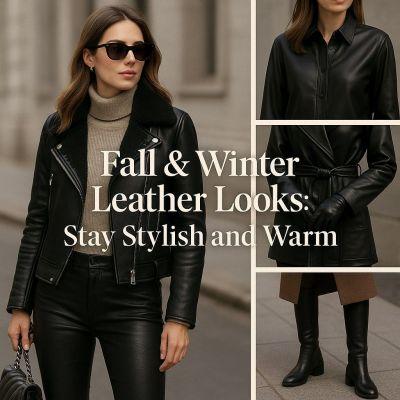
Staying warm in fall and winter does not have to mean giving up style. Leather has long been a favourite for the colder months, and a wardrobe built around the range can cover jackets, pants and accessories. This guide covers how to layer leather for cold weather, which pieces do the most work and how to look after leather in wet, cold conditions.
Key Takeaways
- Leather blocks wind, but warmth comes from the lining and the layers worn underneath.
- A leather jacket works over knitwear; thin sweaters avoid bulk while keeping the fit sharp.
- Leather pants, gloves and boots complete a cold-weather outfit when chosen with lining or insulation in mind.
- Neutral colours (black, brown, tan, burgundy) combine easily with wool, flannel and denim.
- Wet leather should air dry away from heat; follow the care label for any conditioning.
What Leather Does in Cold Weather
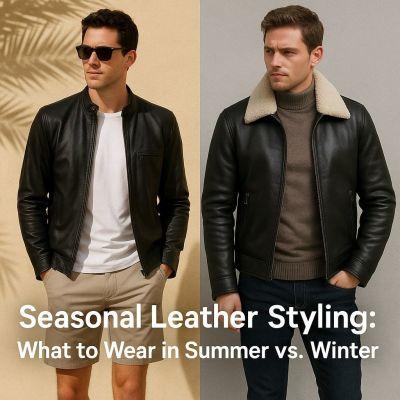
Leather works as a wind-blocking outer shell, but warmth depends on the lining and on layering. Wikipedia's article on leather jackets notes that cold-weather designs such as bomber jackets use heavy insulation, often sheepskin with a fleece inner layer. Wool, shearling or quilted linings add insulation, and a base layer plus a knit or fleece mid-layer cover the rest. Leather therefore works well as the outer shell of a layered outfit.
1. Leather Jackets: The Outer Layer
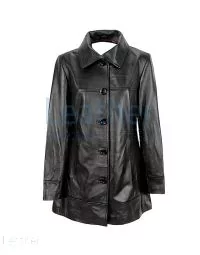
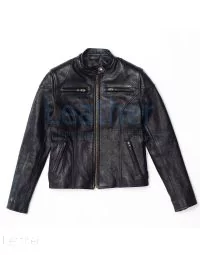
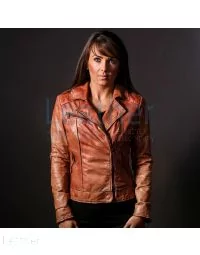
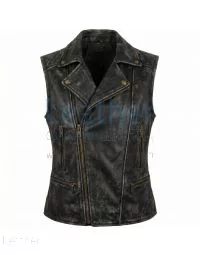
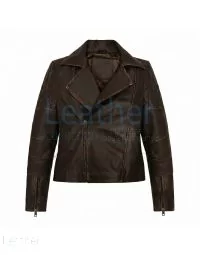
Classic biker jackets, bomber jackets or a style such as the can be worn over sweaters and shirts. A cut with a little room at the body allows a knit underneath without pulling at the shoulders. A slim style such as the suits thin knits.
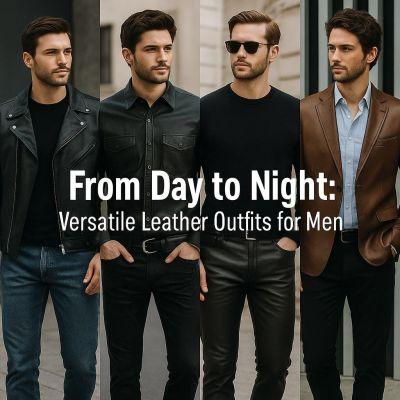
For a casual day, a black or brown leather jacket works with jeans, boots and a scarf. For evenings, a leather coat over tailored pants and a turtleneck suits dinners and social events.
2. Leather Pants for Cold Days
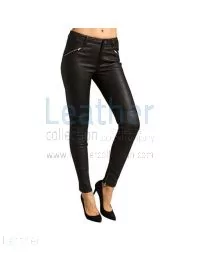
Leather pants are not only for edgy street style. Slim-fit leather pants such as the pair with wool sweaters or chunky knits for daytime, and with a fitted blazer or a leather jacket in the evening.
Because leather blocks wind, pants worn over thermal base layers or with a lining are a practical choice when gusts are strong.
3. Layering with Leather Accessories
Leather accessories complete a cold-weather outfit and add a layer of protection.
Gloves: lined leather gloves protect the hands from cold, and with a lining suit the coldest days.
Boots: leather boots with a sole that grips are better suited to wet or icy sidewalks.
Bags: a leather bag adds structure to a commuting outfit.
Belts and hats: small pieces that repeat the leather across the outfit.
4. Lined Leather Outerwear
For the coldest days, leather coats and jackets with fur or shearling linings add insulation. combine warmth with a structured shape. Black, brown and deep burgundy work well and pair with both casual and formal outfits, from layering over sweaters to wearing over shirts and ties.
5. Footwear for Cold Weather
Footwear matters as much as outerwear in winter. Leather boots with rubber soles grip better on wet or icy streets than smooth soles, and insulated leather shoes keep feet warmer during a long commute. Chelsea boots, combat boots and riding boots all fit a leather-based seasonal wardrobe.
6. Tips for Styling Leather in Cold Weather
Stick to neutral colours such as black, brown and tan so pieces combine easily.
Mix textures by pairing smooth leather with knitwear, wool or flannel.
Layer thin knits under leather jackets to avoid bulk.
Repeat leather across gloves, belts and boots so the outfit looks planned.
7. Caring for Leather in Wet Weather
Winter conditions are hard on leather. Follow the garment's care label or the maker's instructions. As general practice, let wet leather dry naturally in a ventilated spot away from radiators and direct sunlight; the Canadian Conservation Institute gives similar advice, though its guidance is written for heritage collections, not worn clothing. A padded hanger with wide shoulders helps keep the shape, and whether a conditioner is needed depends on the finish.
Conclusion
With leather as the base, a cold-weather outfit can be warm, practical and consistent. Jackets over knitwear, lined pieces for the coldest days, gloves and boots that match the weather, and sensible care cover the season.
Frequently Asked Questions
Is leather warm enough for winter?
Leather blocks wind well, but it does not insulate much on its own. Warmth comes from a wool, shearling or quilted lining and from the layers worn underneath, such as a merino base layer and a knit or fleece. A leather jacket with room for layers works for most cold days.
What colours of leather suit fall and winter?
Black, brown, tan and deep burgundy are the easiest to combine with wool, denim, flannel and knitwear. Neutral leather also pairs with both casual and formal outfits, so one jacket or pair of boots can serve across the season.
How should wet leather be dried?
Follow the care label or the maker's instructions. As general practice, let it air dry naturally in a ventilated room, away from radiators, hair dryers and direct sunlight. Once dry, hang it on a padded hanger and condition it only if the maker's instructions suggest it for that finish.
Written by the Leather Collection Editorial Team.