 USA
 Brazil
 Germany
 France
 Italy
 Switzerland
 Sweden
 Spain
 Great Britain
 Norway
 Russia
 South Africa
 Japan
 New Zealand
 Australia


Cowhide, sheepskin and goatskin are three of the most common hides used for leather jackets, gloves and riding gear. They differ in thickness, grain, softness and abrasion resistance, so the right choice depends on how the garment will be used: protection on a motorcycle, warmth in a coat or flexibility in a pair of gloves.
Key Takeaways
- Cowhide is the thickest and firmest of the three, which is why it is the usual choice for riding gear.
- Sheepskin is the softest and lightest, which suits fashion jackets and coats.
- Goatskin sits between the two, with a pebbled grain and good flexibility for gloves and casual jackets.
- Full-grain, top-grain and split describe which layer of the hide is used, and matter as much as the animal.
What Matters in a Leather Hide
Two things shape how a leather garment behaves: the animal and the part of the hide that is used. According to the Leather article on Wikipedia, most leather today comes from cattle hides, which make up about 65% of all leather produced, followed by sheep at 13% and goats at 11%.
The same source describes full-grain leather as leather that keeps the entire grain layer without removing the surface, so it develops a patina over time instead of simply wearing out. Split leather is made from the layer left after the top grain is separated. Tanning also differs: vegetable tanning is the oldest method, and chrome tanning is the most common in modern use.
Cowhide: Thick and Firm
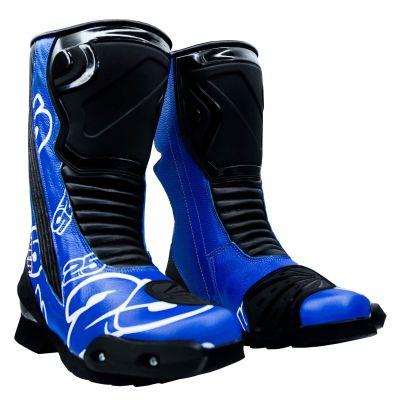
Cowhide is thick and strong, with a coarser grain and a firm, structured feel. It is a common material for heavy jackets and motorcycle gear because thicker hides are generally heavier and firmer. The trade-off is weight and stiffness: a new cowhide jacket needs time to break in and then moulds to the body.
- Firm compared with the thinner hides
- Heavier, with a structured shape
- Softens and shapes to the wearer with use
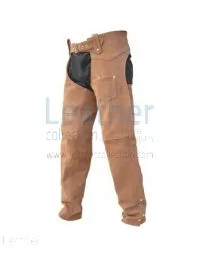
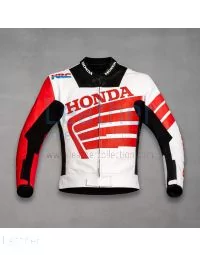
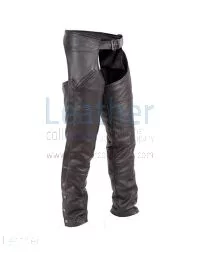
Typical uses include , and heavier jackets and vests.
Sheepskin: Soft and Light
Sheepskin and lambskin give soft, supple leather that is used widely in apparel. Compared with cowhide, it is lighter and drapes more easily, which suits fashion jackets and coats. It is mostly chosen for style and comfort.
- Soft and flexible
- Light enough for all-day wear
- Suited to fashion coats and jackets such as a
Goatskin: Flexible with a Pebbled Grain
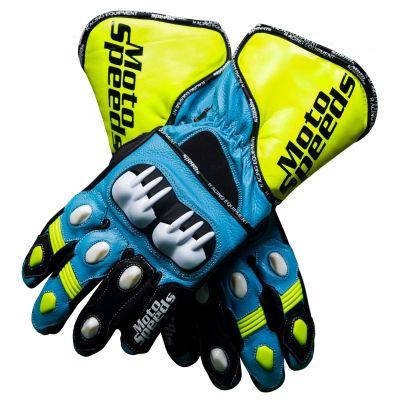
Goatskin sits between the other two. It is known for a natural pebbled grain, remains flexible, and is thinner than cowhide while staying fairly tough. That combination is why it is common in gloves, bags and casual jackets.
- Pebbled surface texture
- Soft but still tough
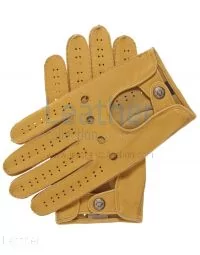
- Common in gloves, bags and casual jackets
Cowhide vs Sheepskin vs Goatskin: Side by Side
| Feature | Cowhide | Sheepskin | Goatskin |
|---|---|---|---|
| Firmness (general guide) | High | Low | Medium |
| Weight | Heavy | Light | Medium |
| Feel | Firm, structured | Soft, flexible | Textured, semi-soft |
| Typical use | Riding gear, heavy jackets | Fashion coats, winter wear | Gloves, casual jackets |
The table is general guidance, not test data. As a rule, cowhide suits heavier garments, sheepskin suits comfort and goatskin suits flexibility. Riders who want protective leather can start with , and everyday wear is covered in .
Choosing the Right Leather
Start with the use. Riding calls for thicker, firmer hide, while city wear and layering favor softer hide. Then check the grade of the leather, because full-grain, top-grain and split behave differently even when they come from the same animal. More leather clothing is listed at LeatherCollection.com.
Frequently Asked Questions
Which leather suits motorcycle gear?
Cowhide is a common choice for riding gear because it is thick and firm. Goatskin is common in gloves where flexibility matters. Sheepskin is soft and light, so it is mostly used for fashion jackets rather than protective wear. Look for the garment's EN 17092 class and armour marking; hide type alone does not indicate protection.
Is sheepskin or cowhide more durable?
Cowhide is generally thicker and firmer than sheepskin, which is why it is common in riding gear. Sheepskin is softer and lighter. For a jacket worn mainly for style or warmth that trade-off is acceptable; for riding, thicker cowhide is the more common choice.
What is full-grain leather?
Full-grain leather keeps the entire grain layer of the hide without sanding the surface away. It develops a patina with use instead of simply wearing out. Top-grain has the surface lightly processed, and split leather comes from the layer under the grain. The grade applies to any animal, including cow, sheep and goat.
Why does goatskin have a pebbled look?
Goatskin has a natural pebbled grain pattern that shows on the surface of the leather. It is a feature of the hide rather than a coating, which is why goatskin is easy to recognize in gloves and casual jackets. The texture also gives some surface grip.
Written by the Leather Collection Editorial Team.